
PEOPLE · CRAFT · CUSTOM CULTURE
THE
BUILDER
Arlen Ness: From a $300 Knucklehead to a Name That Changed Custom Bike Culture
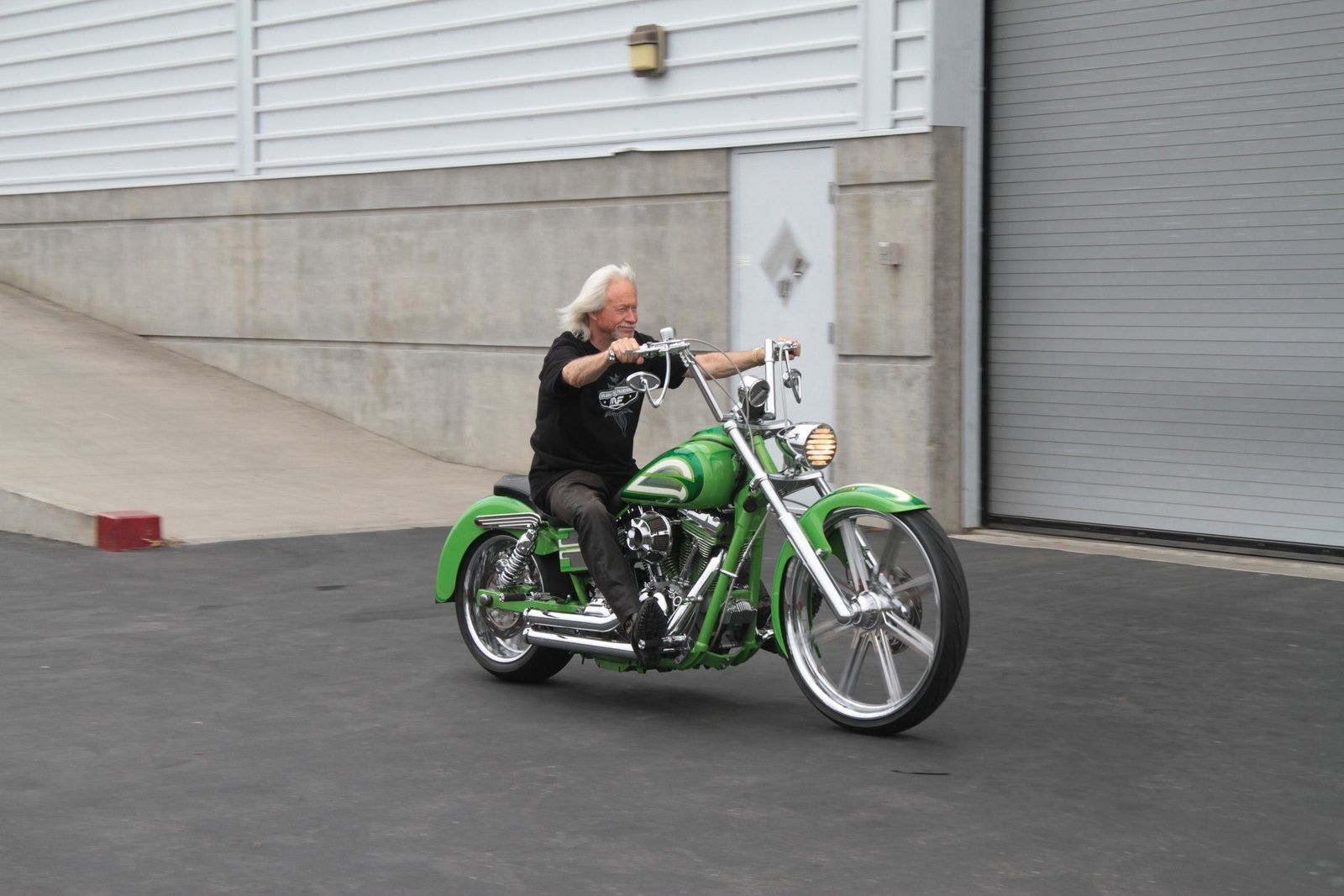

Before the name Arlen Ness appeared on custom motorcycles known around the world, as well as wheels, mirrors, air cleaners, and countless other accessories, he was a furniture mover saving his bowling winnings to buy a used Harley. That motorcycle gave him the chance to experiment with his ideas, gradually taking him from his home garage to a place among motorcycling’s most influential builders.
For riders who customize Harley-Davidsons, Arlen Ness may be a name they first encountered on a box of aftermarket parts, long before discovering the motorcycles built by the man behind it.
Some know him for his low, stretched machines. Others remember the motorcycle that brought the lines of a 1957 Chevrolet onto two wheels. Many may even have his parts on their bikes without ever having seen a photograph of him.
Looking back over Ness’s career, we find motorcycle building, parts design, and business growing alongside one another. Yet it all began with wanting a motorcycle of his own, and the feeling that it could become something more.
Bowling Winnings and His First Harley
Arlen Ness was born on July 12, 1939, and grew up in California, surrounded by a hot rod culture that helped shape his tastes. Before working with motorcycles full time, he had a family and earned his living moving furniture. He also took another pursuit seriously: bowling in competitions that paid prize money.
He saved those winnings until one day he spotted a 1947 Harley-Davidson Knucklehead for sale in Oakland. Its $300 price matched the money he had put aside, so he bought it. That decision opened the door to an entirely different life. The Knucklehead would later become known as The Untouchable.
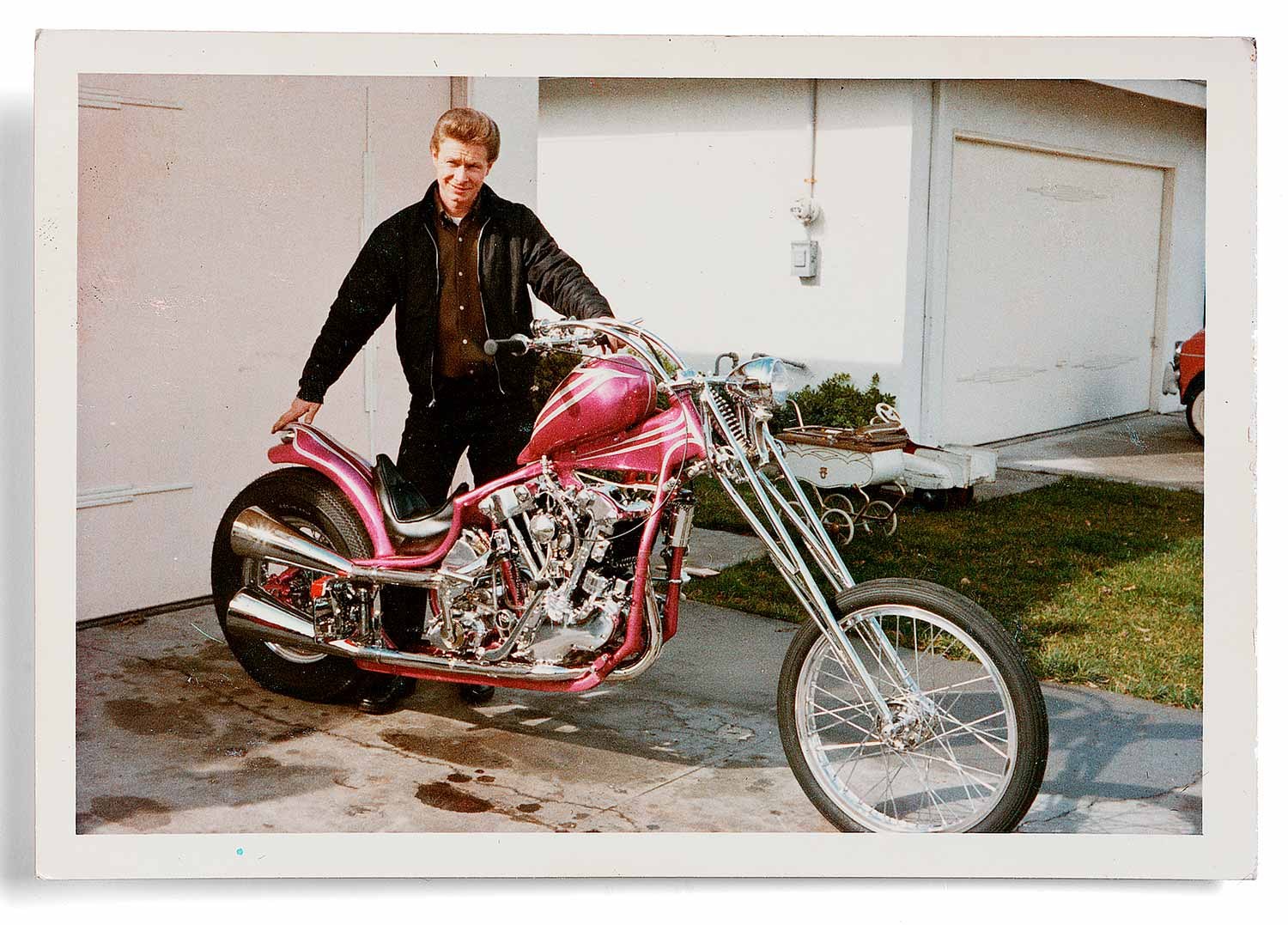
His wife, Beverly, was not especially pleased with the purchase at first. For Ness, though, having the motorcycle in his garage meant getting to work on changing it. He reshaped the fuel tank, painted the bike, and entered it in shows, where it began attracting the attention of magazine photographers.
The paintwork on his own motorcycle led others to ask him to work on theirs. What started as work after hours gradually became a livelihood, before expanding from his home garage in San Leandro to a shop on East 14th Street in the early 1970s.
One Motorcycle, Rebuilt Again and Again
One detail makes Ness’s early circumstances particularly clear: he could not afford to keep buying motorcycles for new projects. With a family to support, his answer was to return to the same Knucklehead and build it again.
He changed the paint and refined the details, had the bike photographed for the press, then brought it back to rework for the next opportunity. A single motorcycle went through repeated experiments as his ideas and skills developed, until he finally saved enough to buy another.
Seen this way, The Untouchable tells us much more than the story of a famous builder’s first motorcycle. It reveals the practice that comes from returning to the same object, experimenting repeatedly, and revising the work until a personal taste begins to emerge.
The motorcycle that first brought Ness recognition had been with him since the days when he was still finding his way forward.
Low, Long, and Inspired by Drag Racing
As choppers became defining images of American motorcycle culture, Ness was an influential advocate of the digger style associated with the Bay Area custom scene. Drawing on drag racing, these motorcycles emphasized a low, long, and slender appearance.
Look at one from the side and you can see how the seat, tank, handlebars, and frame establish a shared flow of lines. The character of the bike comes from proportions that carry through the entire machine.
Ness’s Yellow Chopper also reveals how builders worked in that era. It used a Harley-Davidson VL frame modified to accommodate a 1969 Shovelhead engine. The upper frame tube was altered and the exhaust routing adapted to the motorcycle, because these factory components had never been designed to fit together in the first place.
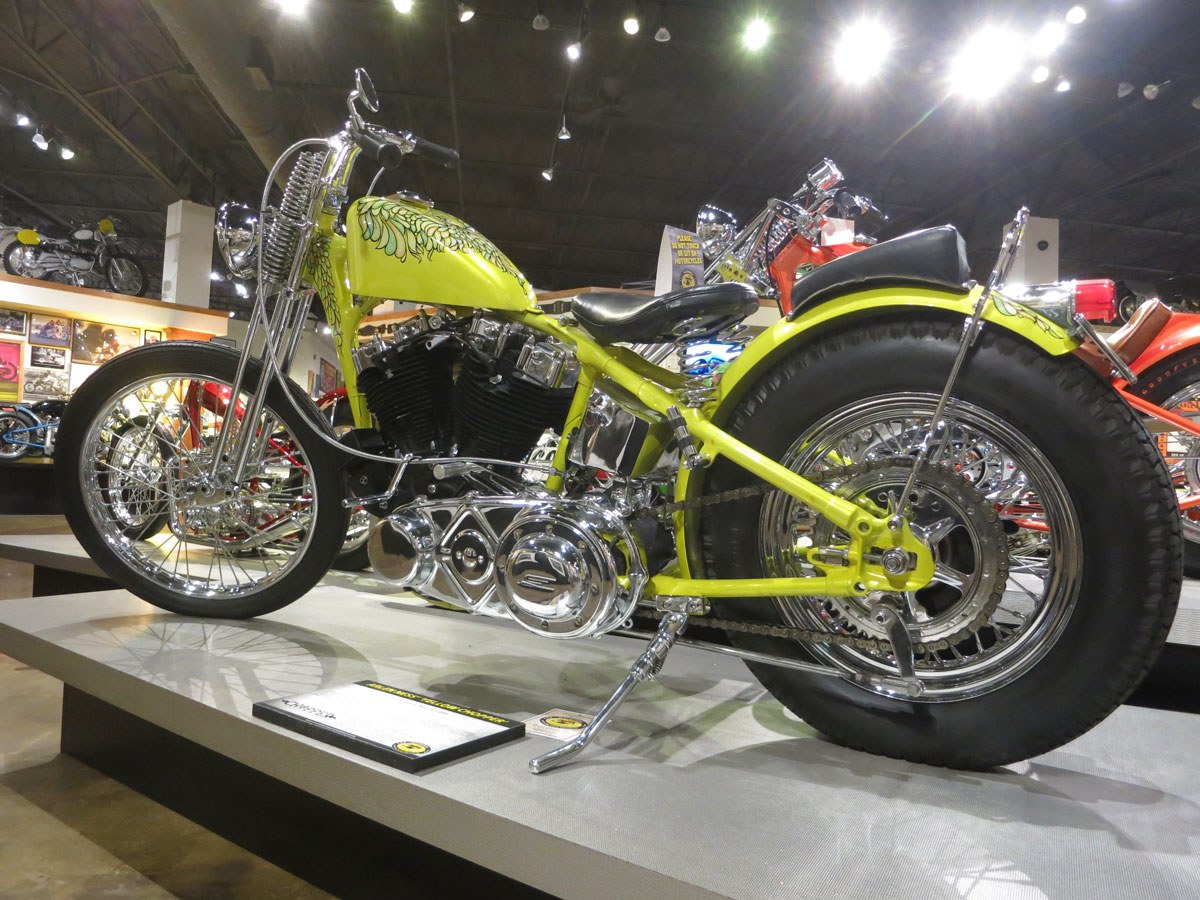
Details like these help explain the builder’s role. Selecting components is one part of the work. The rest is making everything work together, both mechanically and as the motorcycle its creator wants to see.
The 1990s: Designing the Motorcycle as a Whole
As his reputation and business grew, Ness had opportunities to collaborate with craftspeople and designers with different specialties. His work in the 1990s explored surfaces and bodywork on a larger scale, until some motorcycles began to resemble sculptures with engines inside.
Ness-Stalgia is an instantly recognizable example. It reinterpreted the character of a 1957 Chevrolet as a motorcycle, with the concept proposed by Carl Brouhard and the aluminum bodywork formed by Ron Covell. The tail fins and details recalling American cars of that era were given new proportions suited to two wheels.
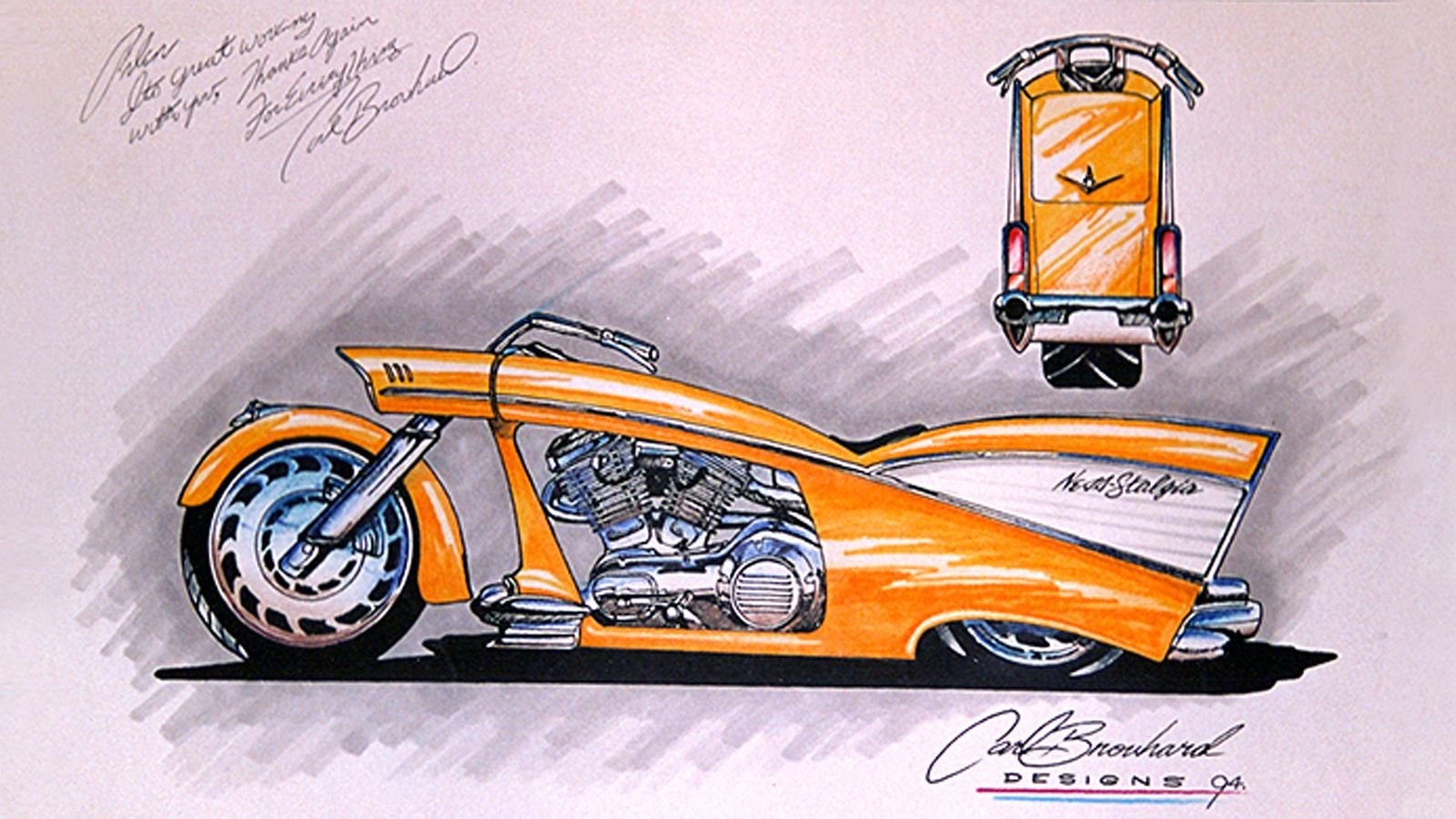
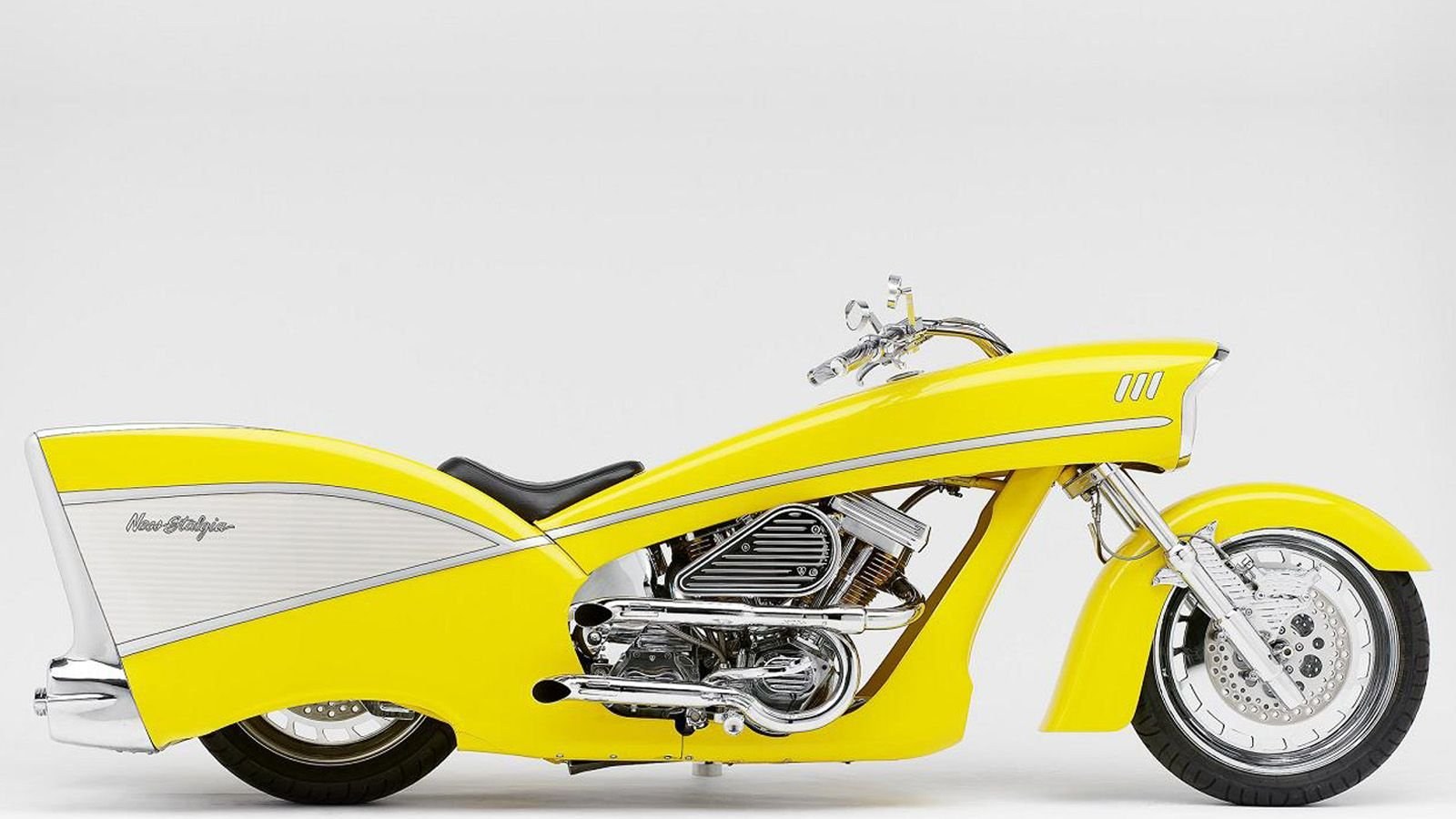
The design process is an interesting part of the story. The team enlarged a photograph of the chassis with its wheels and engine installed, then laid translucent paper over it to sketch the body’s lines. Dimensions and shapes could then be passed to the craftspeople who would make them.
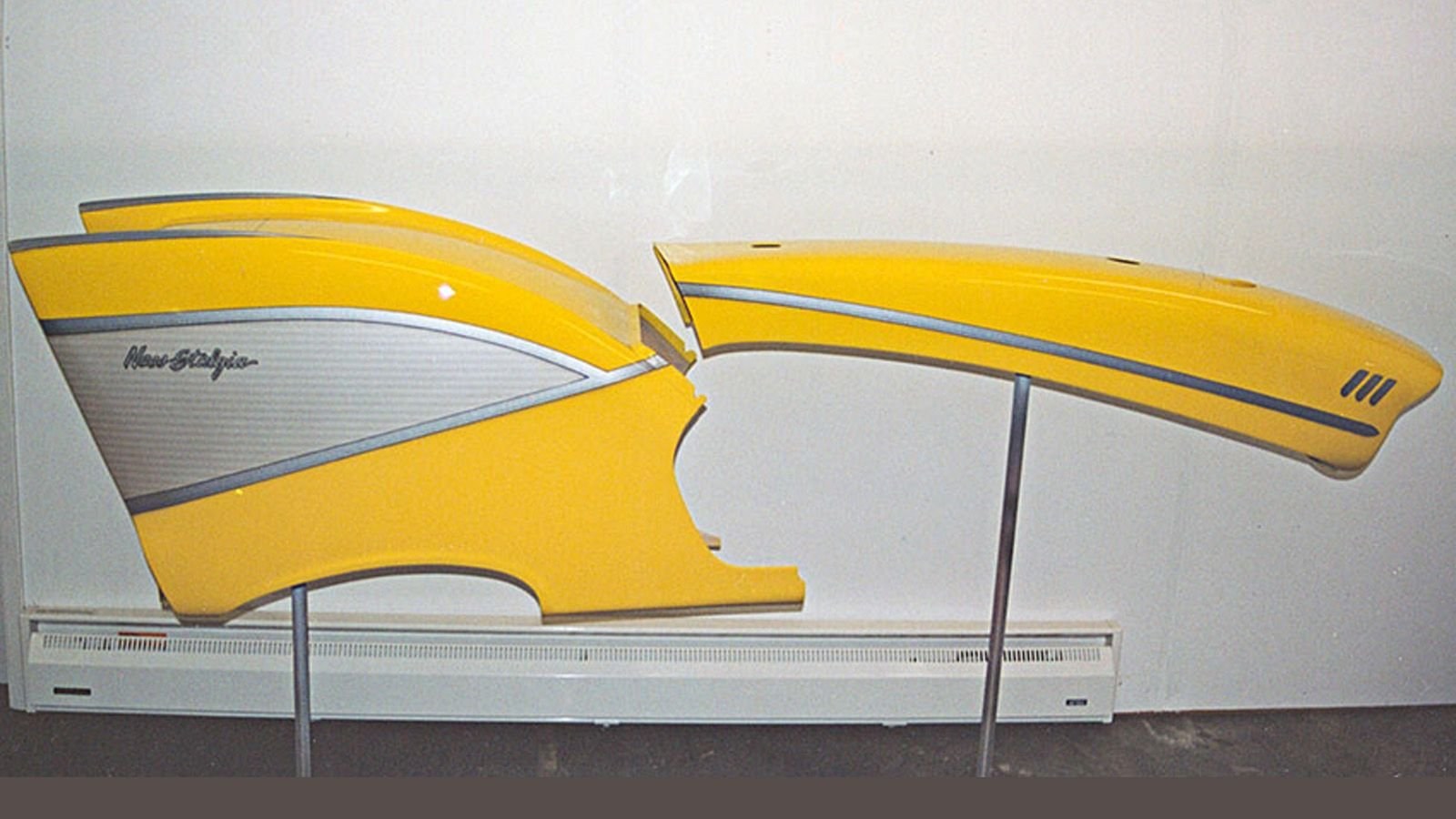
This approach shows design beginning with the physical motorcycle, gradually drawing new lines within its constraints. The tank, seat, wheels, and engine each needed their own space, while contributing to the intended overall appearance.
Another example is Smooth-Ness, inspired by a sculpture of a Bugatti that Ness owned. Its flowing curves evoked Art Deco, with aluminum bodywork formed by hand by Craig Naff. Ness even rode it to events before it was painted, allowing the metalwork to be seen in full.
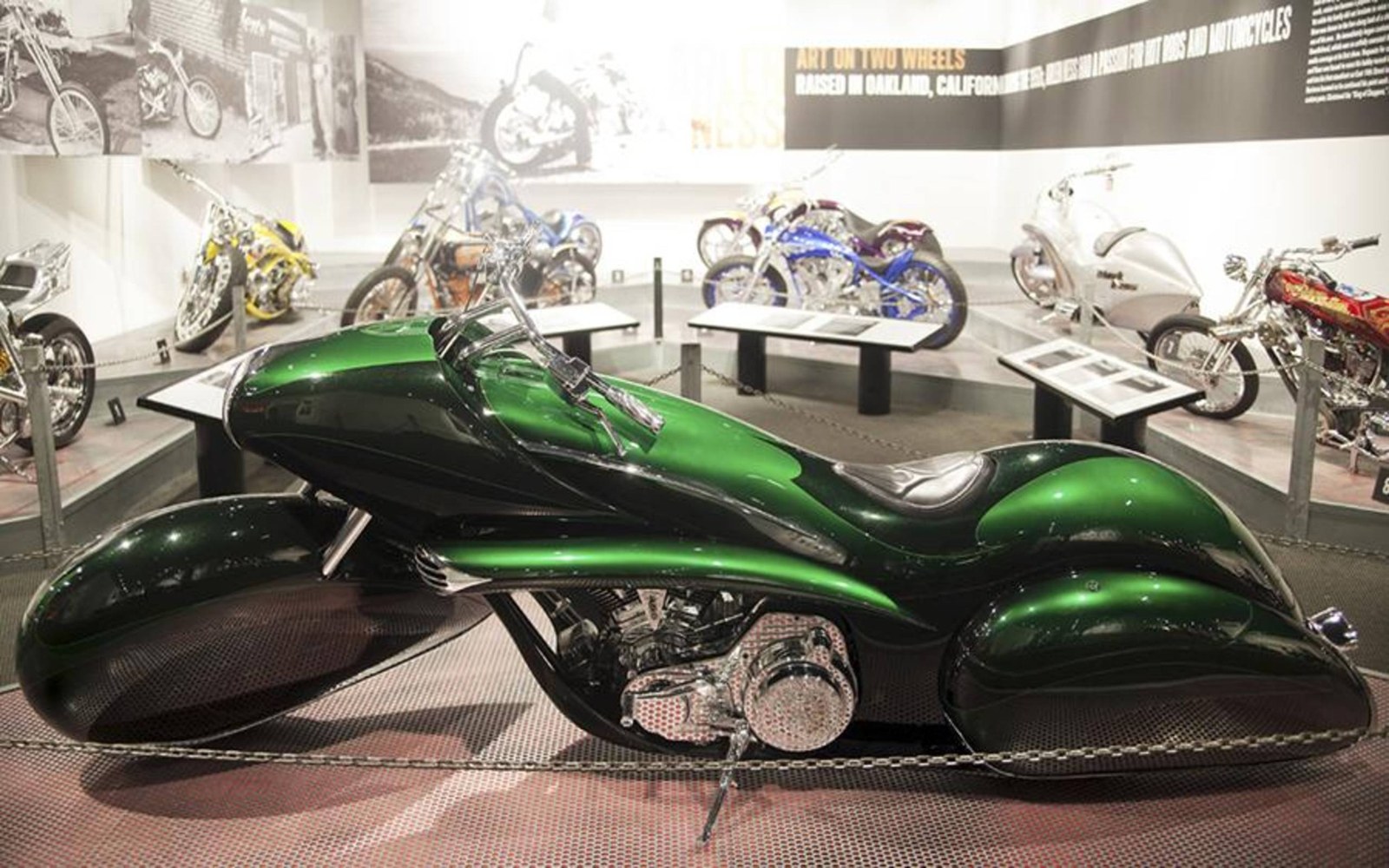
Consider these two motorcycles together and his interests extend well beyond any one style. The fins of an American car and the curves of a European automobile could both become starting points for a design. What mattered was translating those interests into motorcycle proportions.
The name Arlen Ness became associated with motorcycles of very different characters, sharing a determination to make an idea visible throughout the whole machine.
From Workshop Parts to an Aftermarket Catalog
Another reason for Ness’s wide influence was his ability to turn ideas from his workshop into components that other riders could buy for their own motorcycles.
The business’s earliest catalog was simply a list of products and prices typed by Bev. As customers began contacting him from farther away, Ness had to learn order handling and shipping alongside the work of making parts. A family operation gradually expanded its reach.
He later became one of the people who recognized the potential of CNC machining for producing billet aluminum accessories, from mirrors to other components. Manufacturing technology helped turn designed shapes into products that could be reproduced and sold to many riders.
From a rider’s perspective, the effect is easy to appreciate. We may never own a complete motorcycle built by Ness, but we can choose components that bring aspects of his approach to our own bikes.
A builder’s influence therefore travels through motorcycles that other people customize with those parts. Each owner chooses certain accessories, combines them with other components, and creates a new character in turn.
When the Ness Name Reached the Production Line
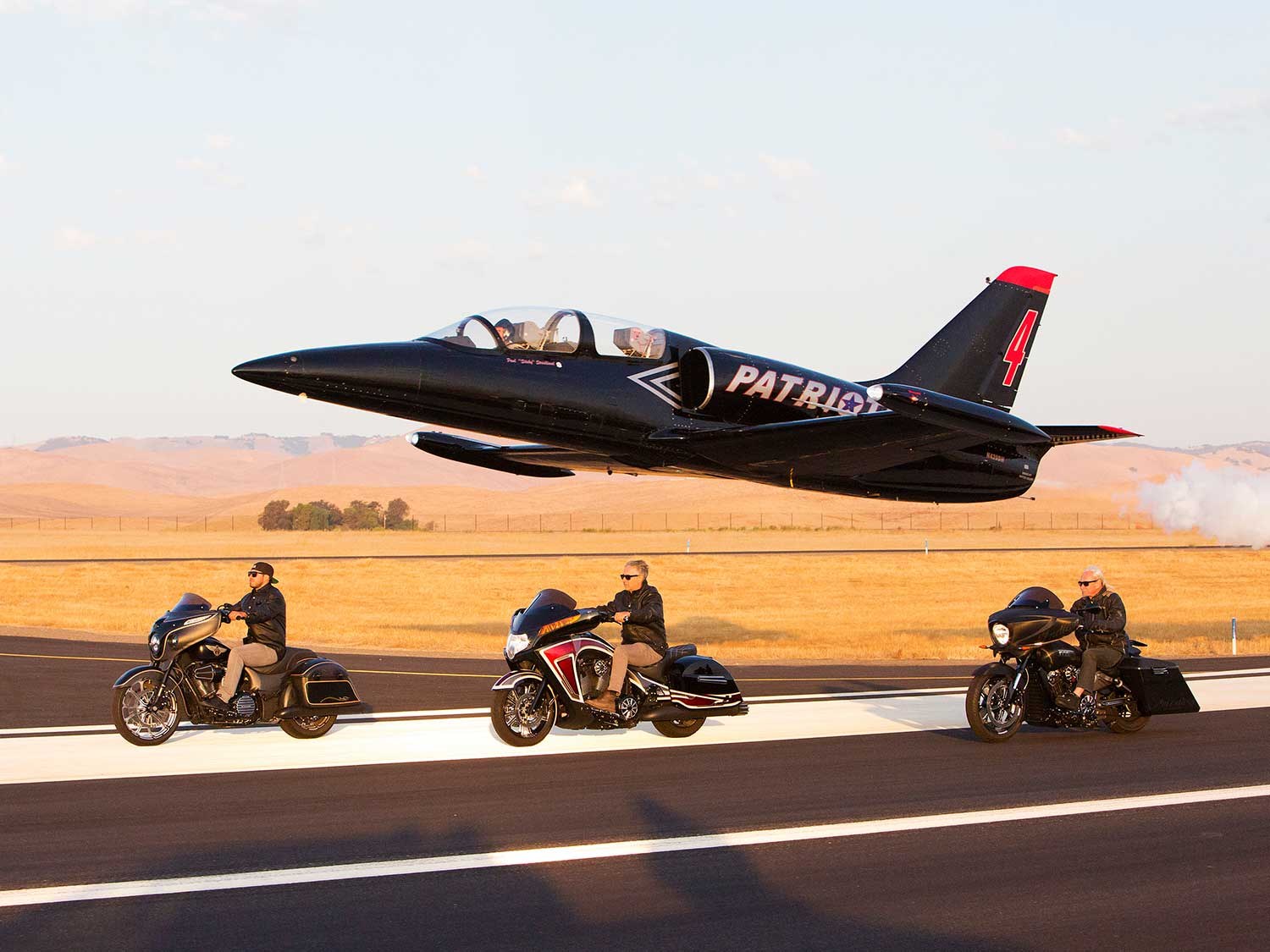
The collaboration with Victory Motorcycles marked another important stage, bringing the Ness family’s work into production motorcycles. Arlen, Cory, and Zach all contributed to the Ness Signature Series.
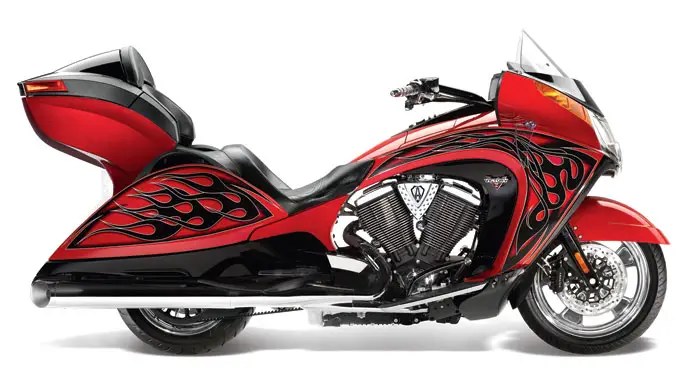
An early example was the 2004 Arlen Ness Signature Series Vegas, which brought distinctive paint, wheels, and accessories together in a factory special edition. The approach later extended to other models, including the Victory Vision, giving Arlen Ness a broad canvas for his ideas on a touring motorcycle.
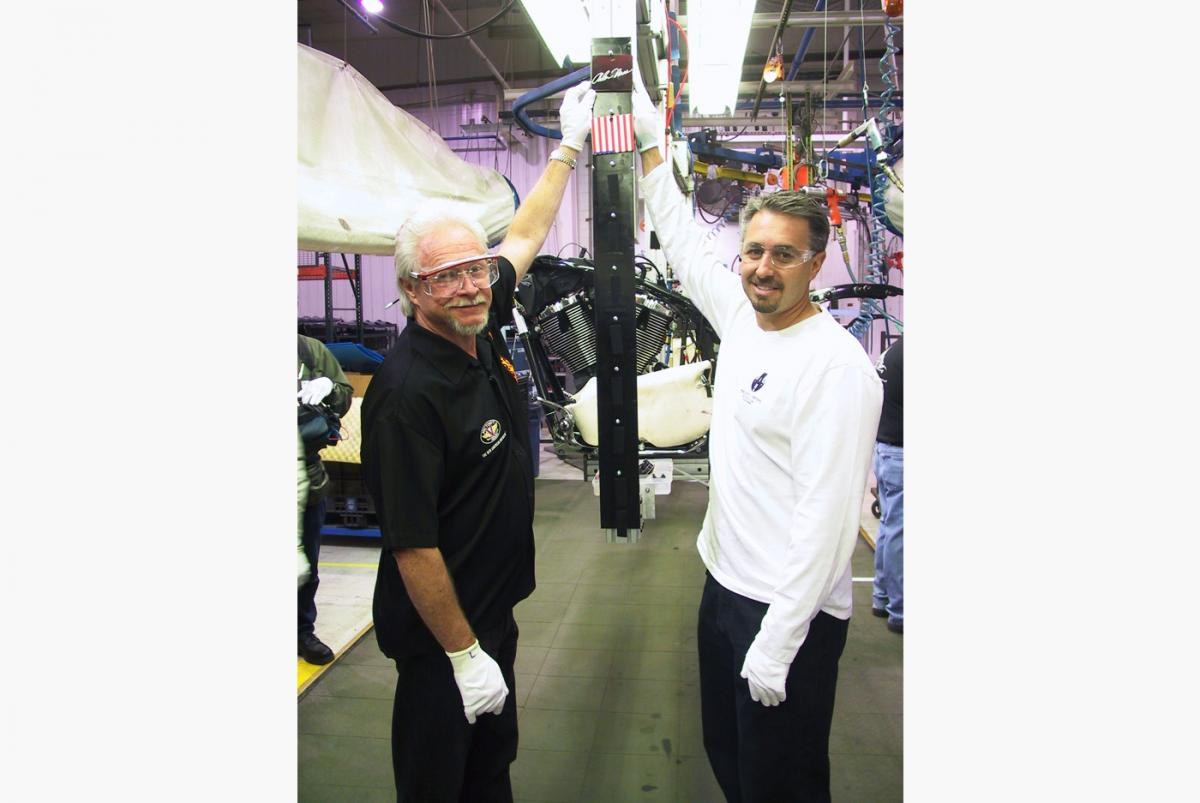
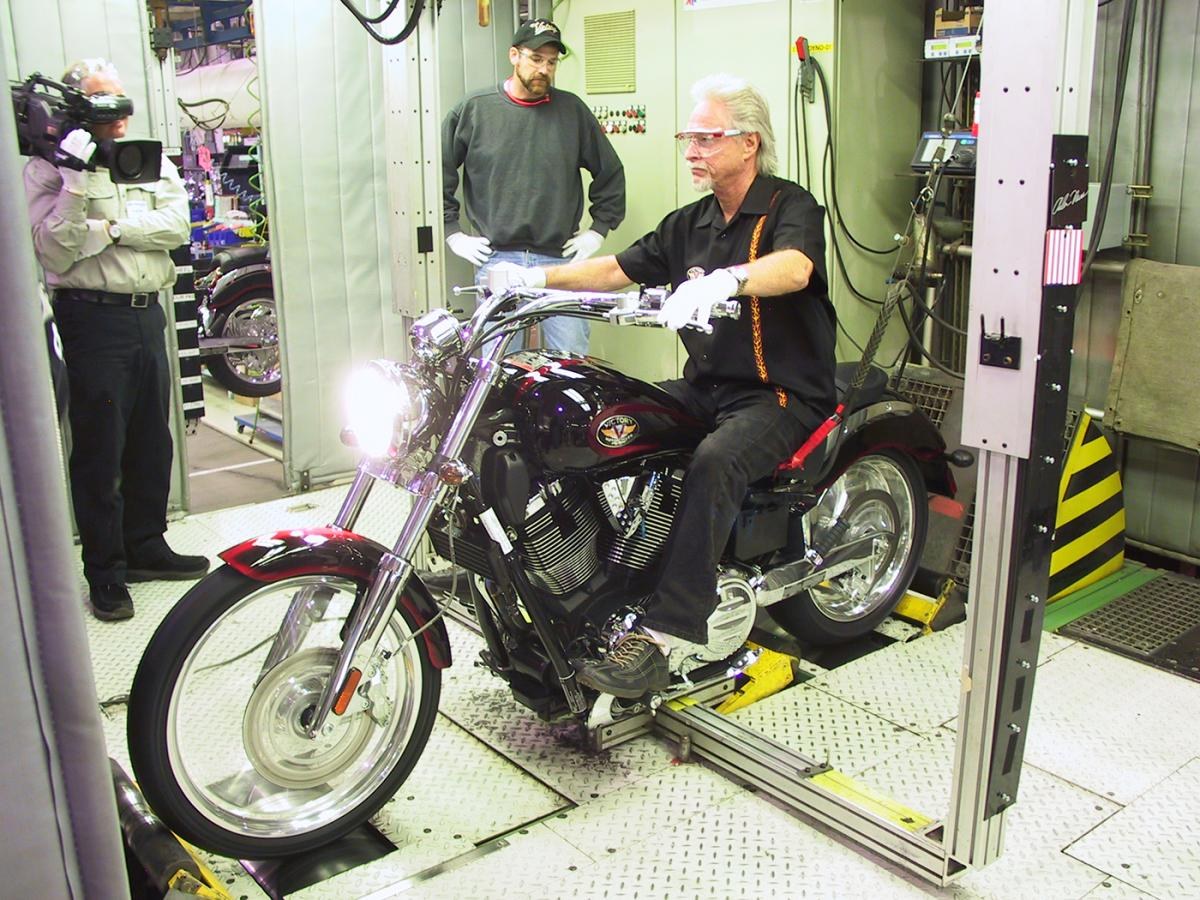
This was another expansion of his work. Ideas once realized on individual customs had to be developed for production. Buyers could take delivery of a motorcycle carrying a custom builder’s character straight from the showroom, then continue personalizing it in their own way.
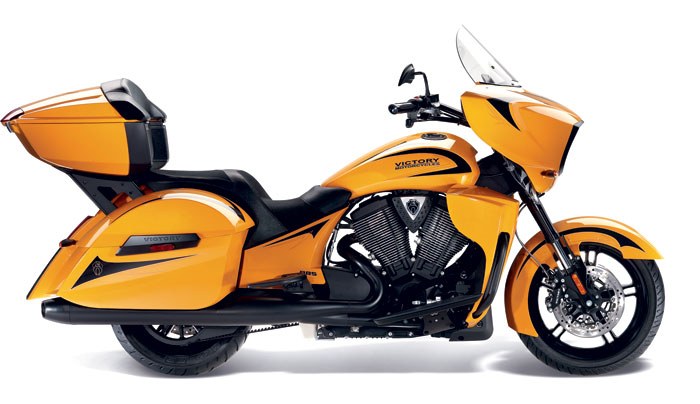
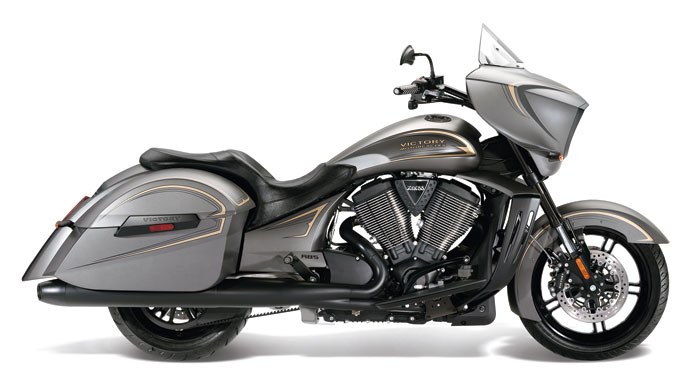
NESS SIGNATURE SERIES — MODEL YEAR 2013
A Family of Builders, Each with a Signature
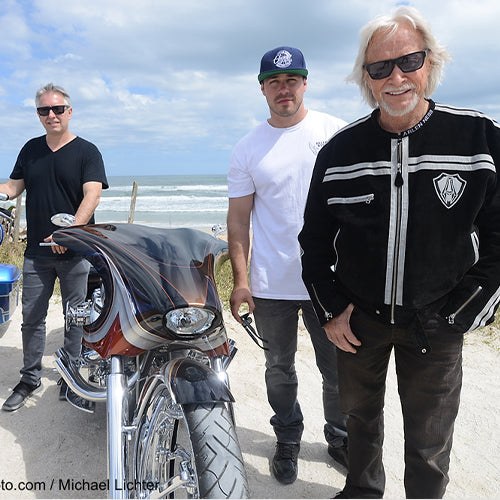
The business grew alongside the Ness family, particularly Cory Ness, Arlen’s son, who worked in both motorcycle building and business management. His grandson Zach Ness also joined in designing and building motorcycles.
Sharing a surname did not mean producing identical work. Cory earned recognition for motorcycles and an approach of his own. He even competed against his father on Biker Build-Off in 2004—and on that occasion, the son won.
That detail brings the Ness family story to life. We see knowledge being passed on, alongside room for the next generation to explore its own ideas. Continuing the business went hand in hand with creating new work whose individual authorship remained clear.
What Arlen Ness Left Behind
Arlen Ness was inducted into the AMA Motorcycle Hall of Fame in 1992 and received the Sturgis Motorcycle Museum & Hall of Fame’s Lifetime Achievement Award in 2016. He died on March 22, 2019, aged 79.
Those honors reflect the recognition he received throughout his life. Looking across his story, though, it is also worth following the way his thinking carried from one project to the next.
He began by changing the motorcycle he owned into something he wanted to see. He learned through repetition, welcomed inspiration from vehicles and design around him, and worked with people who could help turn those ideas into reality.
His aftermarket business brought ideas from his workshop to many more riders. A wheel, a mirror, or a single component can become the starting point for an owner to reconsider the whole motorcycle and want to take the next step.
The next time you see the Arlen Ness name on a part, look a little beyond the brand. Behind it is the story of someone who once had just enough money for one used Harley—and used that motorcycle to discover how far his ideas could take him.