
Choosing a Helmet for Your Riding Style: Start with Fit and Function
A helmet stays with us every time we ride, from a few kilometres across town to a long journey through several provinces. Choosing one involves more than a shape we like or graphics that suit the bike. Fit, structural strength, weight, ventilation and safety standards all affect how it performs in everyday use.
For Harley-Davidson riders, a half helmet, sunglasses and a vest may be a familiar look. Others prefer an aggressive full-face design or a modular helmet that makes roadside stops more convenient. Riding the same motorcycle does not mean everyone needs the same type of helmet.
One rider may commute every morning, another may cover hundreds of kilometres a day on tour, and someone else may enjoy an evening ride. Their needs differ. Even if you choose the same model, you still need to try it yourself: your head shape may be different from that of the person who recommended it.
Before choosing a brand, start with two questions: how do we ride, and does the helmet we are considering really fit us?
01Start with the Roads You Ride Most Often
Think about your usual riding, rather than the special trip you take once a year. How often do you stop at traffic lights in town? Do you ride on open roads with sustained wind exposure? Do you leave in the morning and return after dark? How likely are you to encounter rain along the way?
These answers help identify features you will actually use. Riders returning home after sunset need to consider a clear visor. Those who wear prescription glasses should check whether the arms are squeezed. For long-distance riding, give a helmet more time than a quick look in the mirror.
Appearance can still be an important part of the choice. Start with helmets that meet your needs for fit and protection, then choose the look you like.

02Helmet Types Change Both Feel and Coverage
Each helmet type has its own character. First, though, understand that they do not cover the same areas of the head and face.
Full-face Helmets
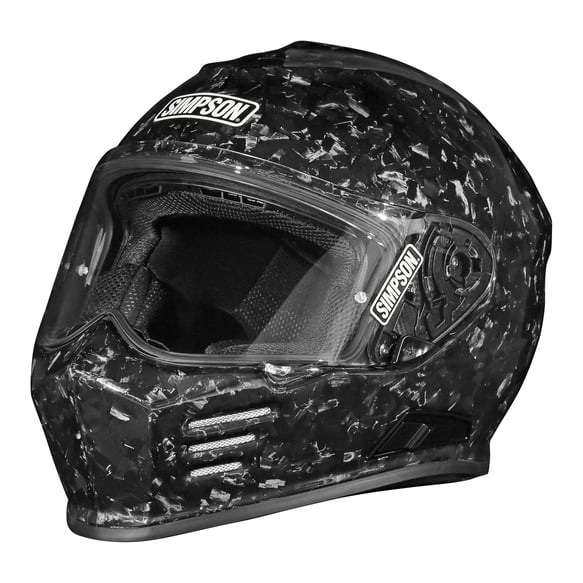
A full-face helmet covers the head and chin and includes a face shield. For open-road riding or long journeys, it is a sensible starting point when you want coverage of the head, face and chin. Check that the chin bar is designed and certified to provide impact protection under the standards applicable to that model.
Modular or Flip-up Helmets
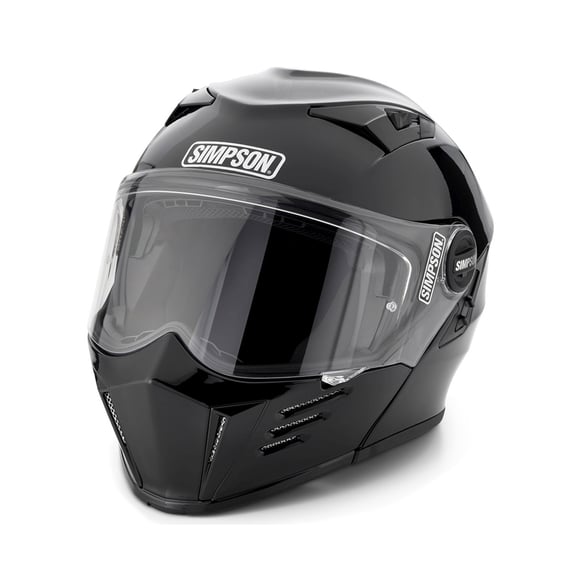
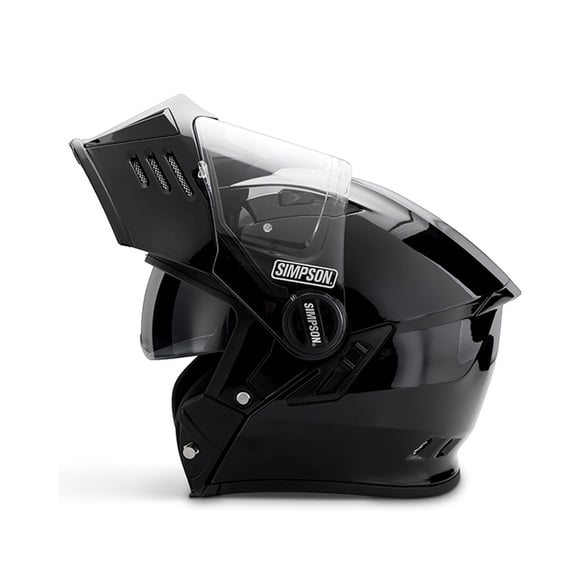
The chin bar can be raised, making the helmet convenient to put on or to talk while parked. However, a movable chin bar does not mean every model is approved for riding with it open. For ECE-certified helmets, check the markings and manual. Models marked P must be used with the chin bar closed and locked while riding. Models marked P/J are approved in both the closed and open configurations specified by the manufacturer. Even so, with the chin bar raised, the face and chin remain exposed to impacts.
Open-face Helmets
An open-face helmet feels airy and often suits a classic motorcycle, but it has no protective chin bar. A face shield does not replace the chin protection of a full-face helmet.
Half Helmets
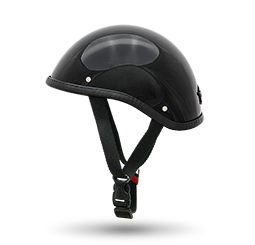
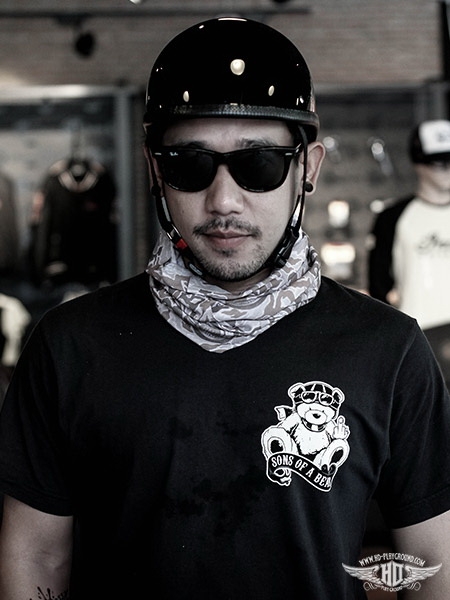
A familiar choice in cruiser culture, a half helmet offers less coverage and leaves the face, chin and parts of the head exposed. Glasses help keep wind and debris out of the eyes, but do not add impact protection to those exposed areas. Open-face and half helmets therefore have limitations that riders need to understand, even when they meet an applicable safety standard.
Choosing a helmet type means choosing both how riding feels and how much of your head and face is covered. A short distance or low speed does not eliminate the possibility of an impact to the face or chin.
03The Right Size Must Also Match Your Head Shape
S, M and L are only starting points. A medium from one brand may fit differently from a medium from another. Even two models from the same brand may feel different.
Head circumference matters, but so does the helmet’s internal shape. Some heads are relatively round; others are longer from forehead to back. A helmet that appears to be the correct size may press on the forehead or temples if its shape is unsuitable. Moving up a size to avoid pressure may leave other areas too loose. Manufacturers offer different internal shapes and padding options to adjust fit within the limits of their designs.
Trying on a helmet should involve more than putting it on and deciding whether you like the look.
- Measure your head circumference and compare it with the size chart for the model you are trying.
- Seat the helmet properly and fasten the chin strap as instructed in the manual. Do not assess fit with the strap left undone.
- Check for an even, snug fit around your head. There should be no painful pressure points, and the helmet should not slide around easily.
- Gently move the helmet and ask the shop staff to check that it moves with your head and cannot easily be pulled off when the strap is correctly fastened.
- Wear it long enough to notice pressure points — around 30–45 minutes if possible, with your usual glasses or accessories. Some discomfort takes time to appear.
A new helmet may feel tighter around the cheeks than you are used to, but snugness and pain are different things. If you experience clear pain or numbness, try another model or ask the retailer about adjustment using manufacturer-approved padding.
Do not press, crush or cut the impact-absorbing foam to improve comfort. It is part of the protection system, not comfort padding that can be modified at will.
04Weight on the Scales Is Only Part of Comfort
Weight is worth comparing, particularly for rides lasting several hours. Check which helmet size the quoted figure refers to and what equipment is fitted. The helmet you buy may not weigh exactly what the product page suggests.
Cruiser riders should also consider airflow. A relatively upright riding position, whether the bike has a windscreen, and its height relative to the rider all affect the air around the helmet. Manufacturers also identify riding position, rider size and windscreen angle as factors affecting airflow and noise.
If a test ride is available, try the helmet on your own motorcycle under your normal riding conditions. A helmet that feels light in your hands may feel different in the wind. One that weighs slightly more may feel steadier and more comfortable. You need to assess this for yourself.
05Look at the Whole Ventilation System
Thailand’s hot weather makes ventilation a priority for many riders, but the number of vents alone does not determine comfort. Look at the intake vents, internal air channels and exhaust vents, as well as how easily the controls can be operated while wearing gloves.
Many full-face helmets have purpose-designed intake and exhaust systems. Compare individual models rather than assuming that all full-face helmets will feel equally hot.
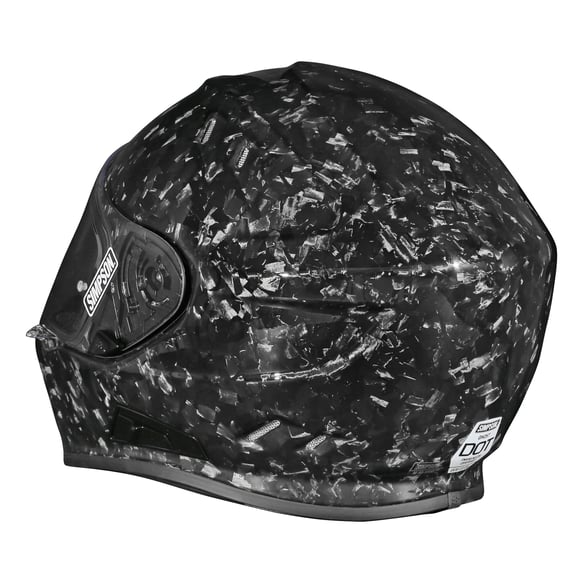
Check the small details you will encounter every day. Can the padding be removed and washed? Are replacement parts available? Is the visor easy to operate? Do your glasses create pressure points? A helmet that is easy to maintain is more likely to be worn consistently than one that looks good but is awkward every time you put it on.
If you ride before dawn, in rain or through cooler areas, consider visor fogging too. An anti-fog insert can help, but it still needs to be used correctly alongside the ventilation system. It does not guarantee a fog-free visor in every condition.
06What Standards Tell You—and What to Check
Helmet markings do not all serve the same purpose. Some identify product standards, some indicate regulatory approval, and others provide additional test ratings.
| Marking or System | What to Know |
|---|---|
| TIS 369-2557 | Thailand’s industrial standard for motorcycle helmets, identified by the Thai Industrial Standards Institute (TISI) as mandatory. Check the certification mark and licensing details for products sold in Thailand. |
| DOT / FMVSS 218 | A US requirement under which manufacturers self-certify compliance, with NHTSA conducting compliance checks. The DOT marking does not mean NHTSA has tested and approved every helmet before sale. |
| ECE / UN R22.06 | Approval under UN Regulation No. 22, 06 series of amendments. It adds tests beyond the 05 series, including oblique impacts to assess rotational effects. |
| SHARP | The UK’s 1–5-star helmet safety rating system. It helps compare models that have been tested and provides information beyond compliance with minimum standards. |
Information on standards and certification is based on TISI, NHTSA, UNECE and UK transport authorities.
When buying, check the certification for the exact model and version sold in that market, and buy from a source you can verify. Do not rely only on a sticker on the back or an advertisement claiming compliance: counterfeit products and markings exist in the market.
A higher price does not always guarantee a higher safety rating. Extra cost may reflect materials, design, convenience or other details. Consider the information for that specific model alongside how well it fits you.
07Before Choosing Colours and Graphics, Make Sure It Works for You
Once you have shortlisted helmets with the coverage and standards you want, spend time with each one. Put on your glasses, fasten the strap, operate the visor and turn your head as you would when checking for an overtaking vehicle. Resolve any pressure points or practical difficulties before buying.
After you start using it, keep checking the strap, padding, visor and helmet structure, and replace the helmet according to the manufacturer’s guidance. Following a severe impact, internal damage may be invisible from the outside. An intact-looking shell alone is not enough to judge whether it is still usable.
Next time you visit a helmet shop, tell the staff what motorcycle you ride, which roads you use, whether you wear glasses and where your previous helmet caused discomfort. Those details make the fitting process more focused.
Then choose the colour, graphics and shape that express your style—from helmets that fit properly and are ready to stay with you throughout the ride.