
Softail and Dyna: Two Paths Through Harley’s Mid-Size Big Twins, Two Loyal Followings
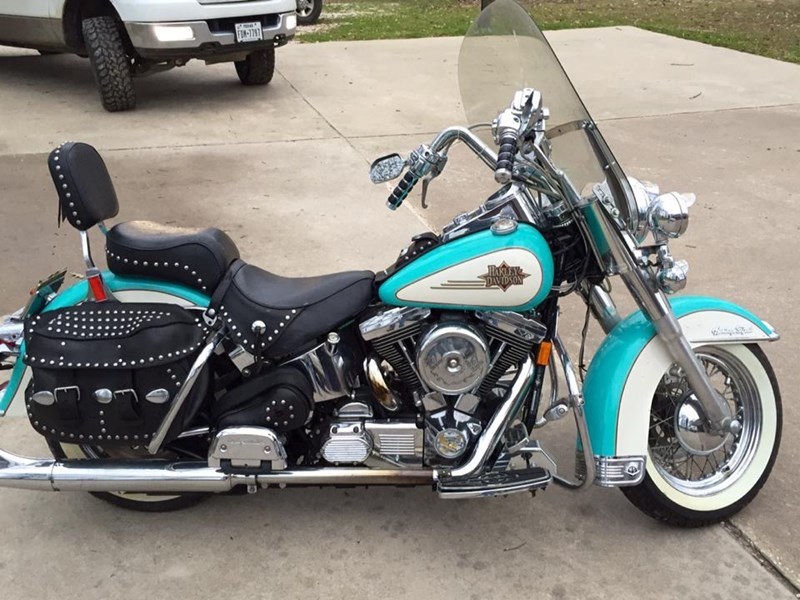
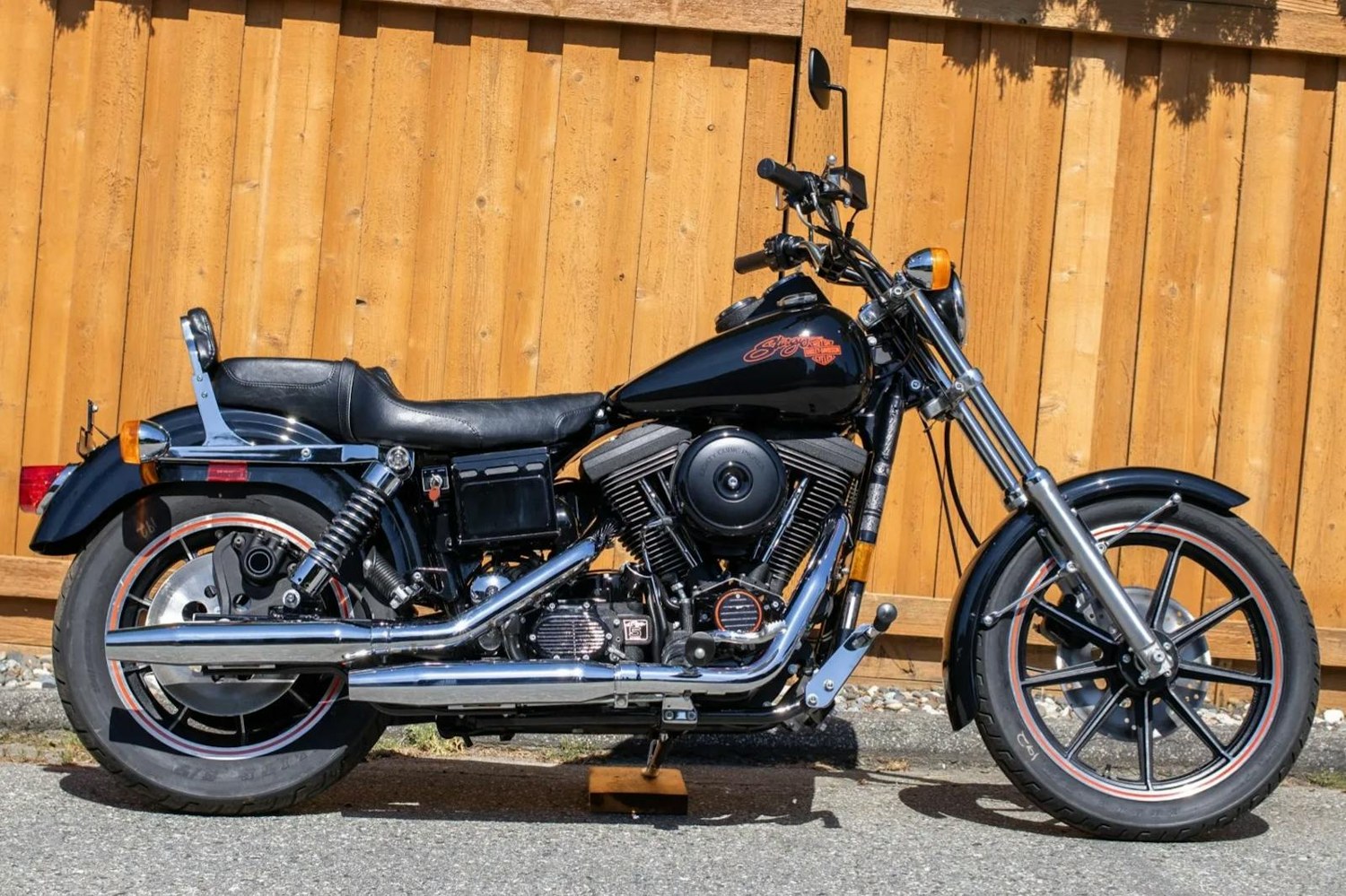
For Harley-Davidson enthusiasts, a Heritage Softail with full fenders, leather saddlebags, and a windshield can evoke a very different feeling from a Dyna Super Glide fitted with tall handlebars, twin rear shocks, and forward controls. The two motorcycles may use Big Twin engines from the same era, yet the differences that draw riders to one or the other begin with everything around the engine—the frame, suspension, lines, and the way the motorcycle communicates with its rider.
Softail and Dyna were once two important choices for riders who wanted a Harley larger than a Sportster but did not need a full Touring motorcycle. Here, “mid-size” describes their position within the Harley world rather than suggesting that either is small or light. Both are Big Twins with substantial weight and distinct personalities.
Looking only at the tank, handlebars, or wheels, it may seem possible to customize the two families into something similar. Look more closely at the ideas behind their construction, however, and their differences tell a much longer story.
01Before the Two Families: Lines Riders Still Remember
Many older Harleys used a rigid frame, commonly called a hardtail, with no rear suspension. The rear wheel was mounted directly to the chassis, leaving the tires, seat, and rider’s body to absorb impacts from the road.
Limited comfort was something riders accepted in that period, but the shape of those frames has continued to catch the eye of enthusiasts. The frame line runs continuously from beneath the tank toward the rear wheel. With no shocks or swingarm assembly interrupting that line, the rear looks clean and compact, while the engine stands prominently in view.
Even after rear suspension became essential for everyday motorcycles, the hardtail silhouette remained part of custom culture’s visual memory. Preserving that appearance while adding comfort became the central challenge behind the Softail.
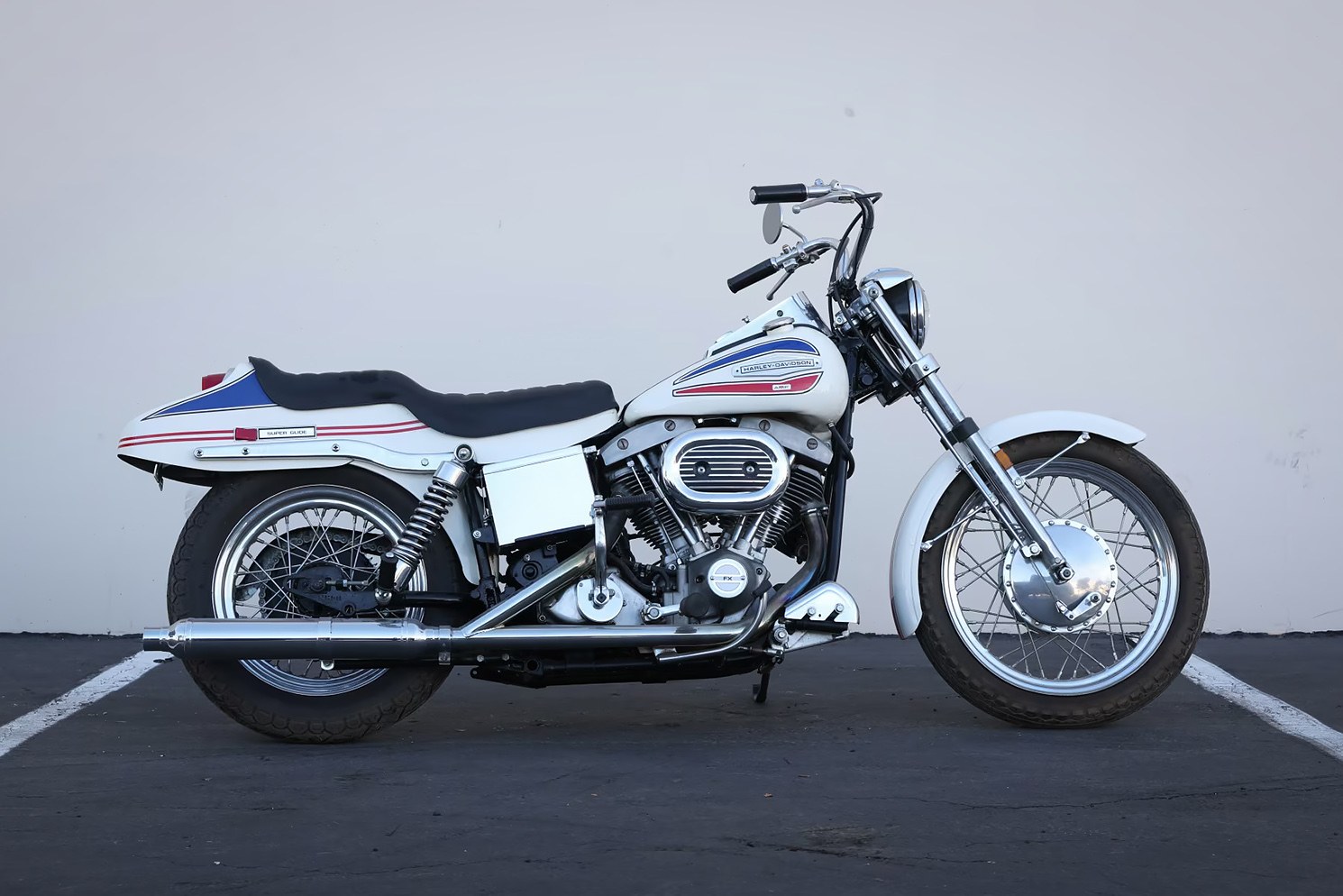
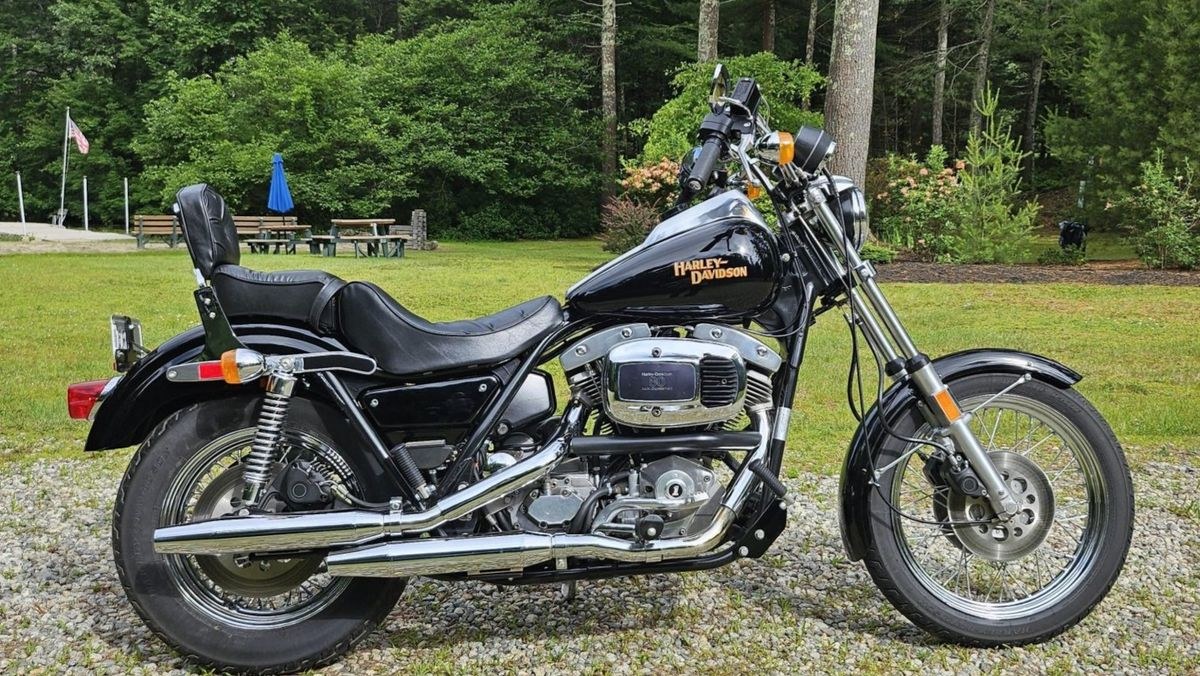
Meanwhile, Harley was developing more compact, sporting Big Twins through motorcycles such as the FX Super Glide and later the FXR, before the Dyna appeared. The FXR and Dyna are separate platforms, even though some model names, riders, and custom influences connect them.
02Softail: Keeping the Look of the Past, Adding Comfort
The Softail story did not begin on Harley-Davidson’s production line. It began with Bill Davis, a rider and engineer who experimented with frames that concealed the rear suspension during the 1970s.
Davis wanted lines reminiscent of a rigid-frame motorcycle while allowing the rear wheel to move over bumps. He developed a swingarm and concealed shock arrangement, refining the design several times before Harley-Davidson acquired the rights and developed it into the 1984 FXST Softail. It arrived with the Evolution engine at the beginning of a new era for the brand. Road and Sport Harley-Davidson ↗
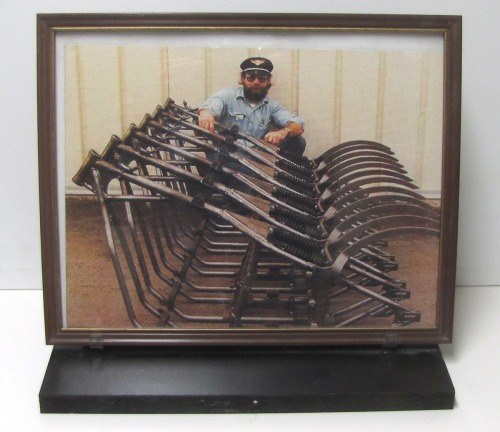
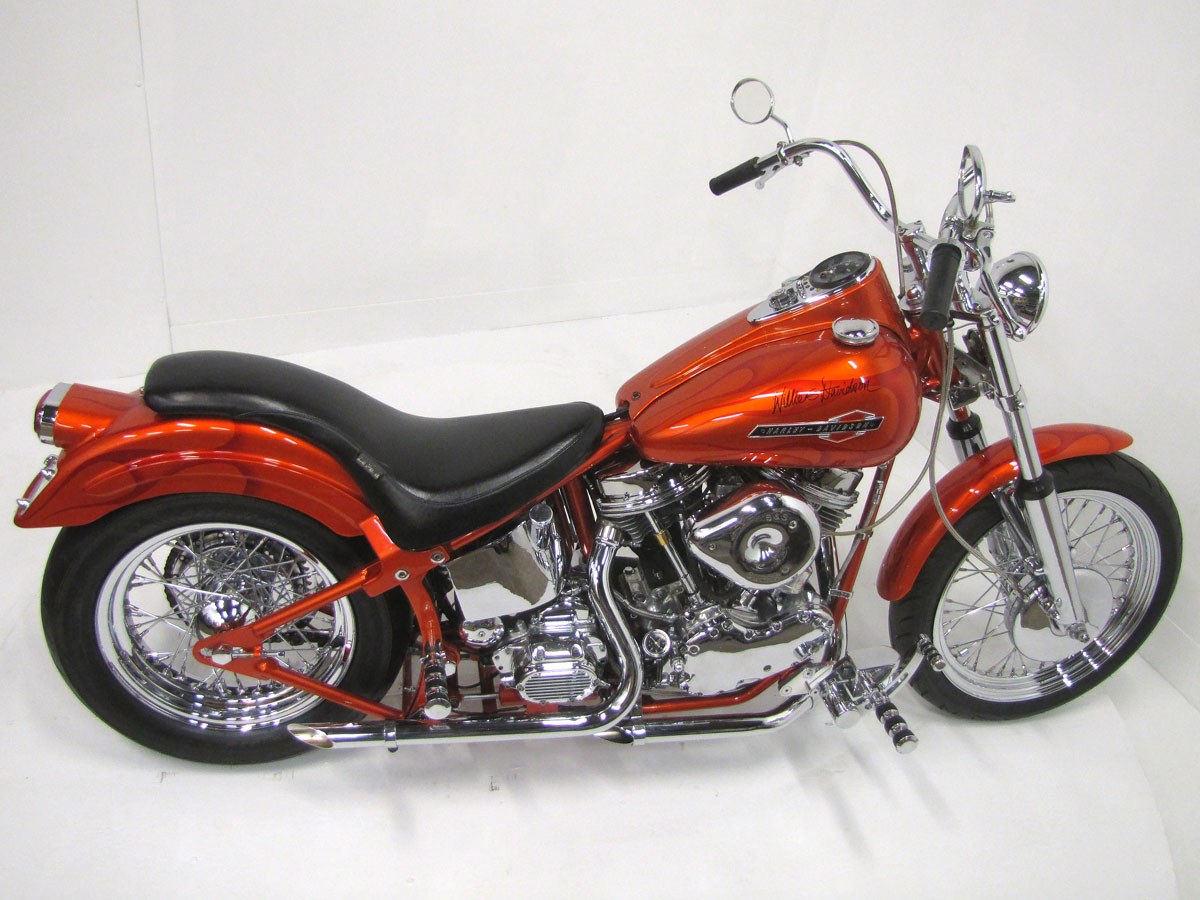
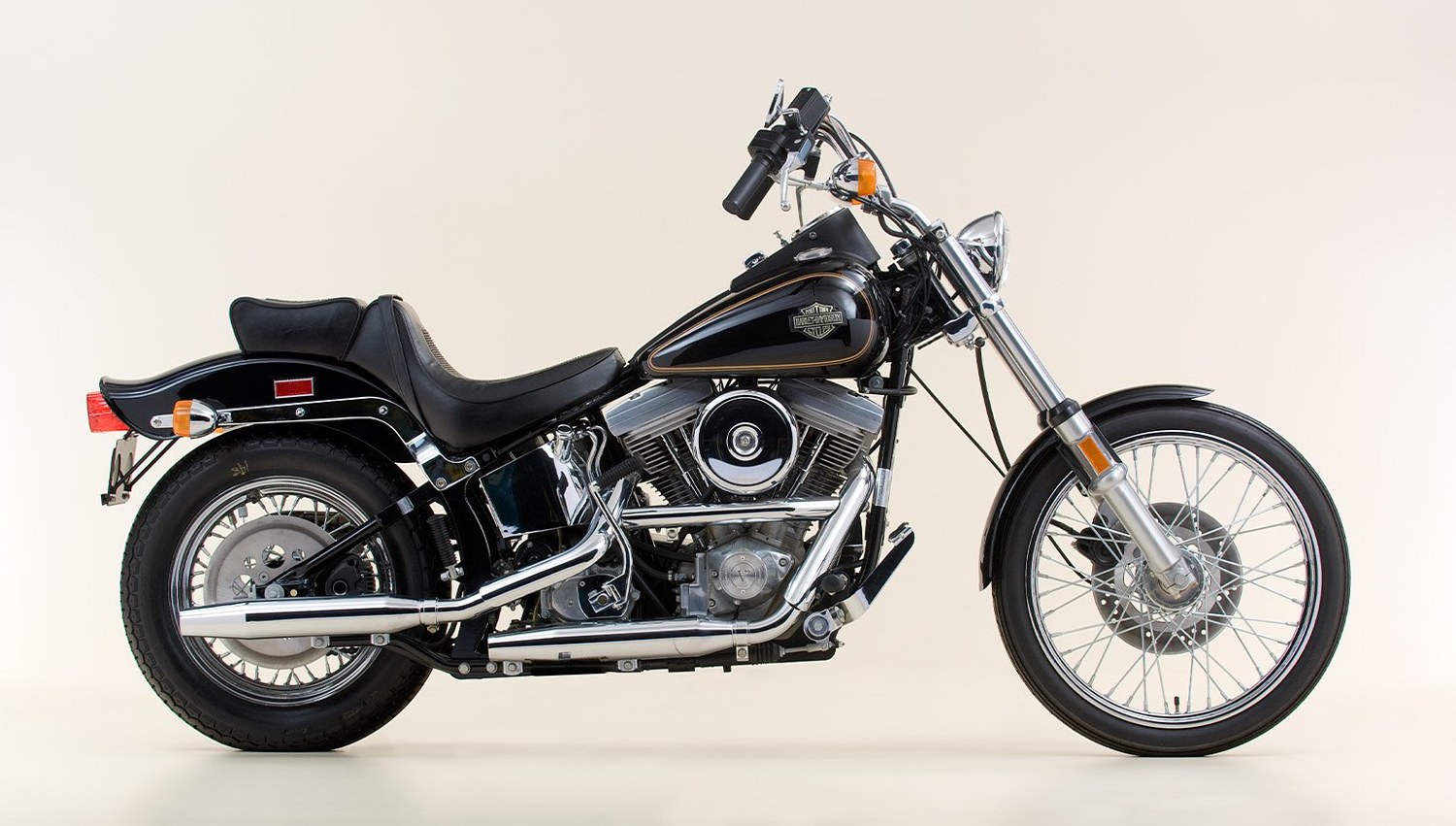
What makes the original Softail interesting is that its seemingly rigid rear section actually moves. The triangular structure at the back acts as the swingarm, while two shocks lie horizontally beneath the engine and transmission area rather than standing beside the rear wheel.
The system also operates differently from conventional twin shocks. As the rear suspension moves upward, the swingarm mechanism pulls the shock units into extension. This was more than simply relocating ordinary shocks beneath the frame.
The result preserved much of the appearance of an older Harley while providing working rear suspension. That concept gave motorcycles such as the Heritage Softail, Springer Softail, and Fat Boy their easily recognized shapes.
Their appeal can be felt on the road and appreciated just as much when they are parked in front of us.
03Dyna: An Open Structure, an Engine Beating in the Frame
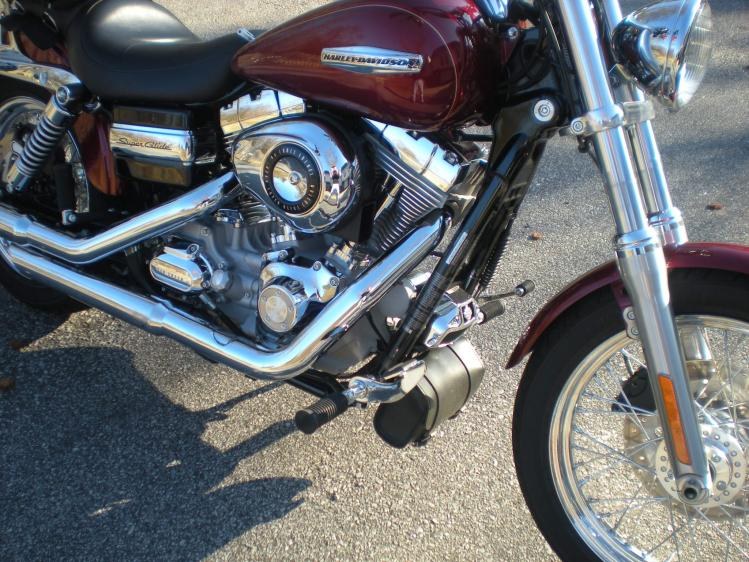
The Dyna family officially began with the 1991 FXDB Dyna Glide Sturgis. It developed the idea of a compact Big Twin around a new frame, using a two-point rubber engine isolation system to reduce vibration reaching the chassis. Harley-Davidson USA ↗
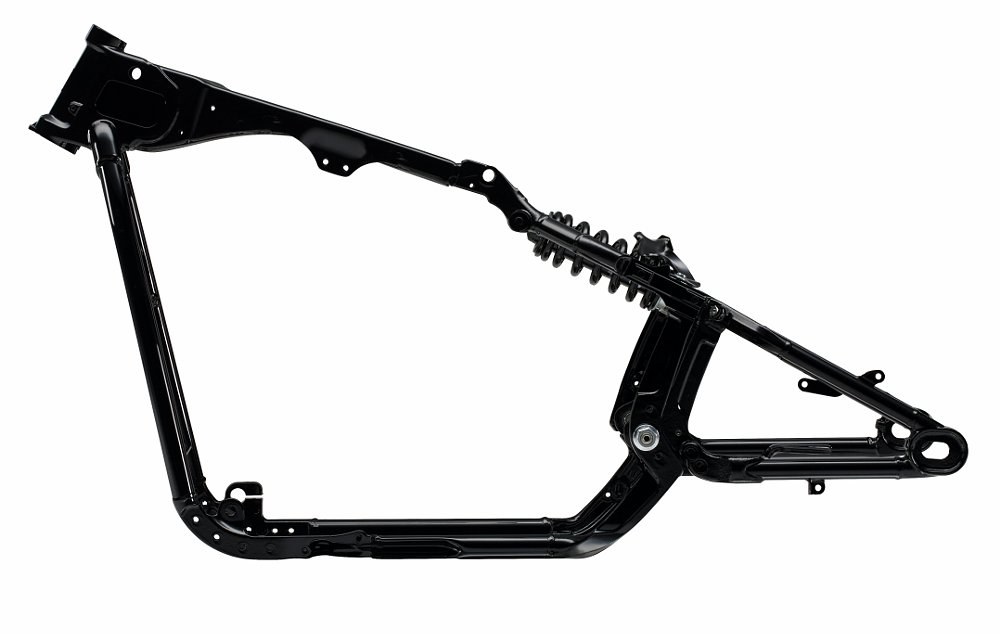
Compared with the Softail, the Dyna’s structure is more immediately apparent. The twin rear shocks are visible from outside, with their mounts and connection to the swingarm easy to see. There is no attempt to conceal the rear suspension.
The engine and drivetrain are supported through rubber mounts, allowing movement within the limits of the design. The sight of the engine shaking at idle became familiar to many owners, before the sensation changed as engine speed increased.
Rubber mounts do not eliminate all vibration. They change how vibration travels from the engine to the frame and rider.
For some owners, watching the engine move is part of the attraction. It makes the machinery’s operation clearly visible, even as the isolation system helps reduce unwanted vibration during a ride.
04More Than the Position of the Shocks
The simple distinction is easy to remember: the original Softail hides two horizontal shocks, while the Dyna has two externally mounted upright shocks. But each motorcycle’s character also comes from its engine mounting and its approach to vibration control.
The early Softail mounted its engine directly to the frame. With the Twin Cam era came the Twin Cam 88B for model year 2000, adding internal counterbalancing suited to this arrangement. The Dyna continued with rubber engine isolation. H.O.G. Magazine — Winter 2010 ↗
Both approaches aim to make the motorcycle more comfortable, but they produce different sensations. Mounting an engine directly to the frame does not necessarily mean more vibration reaches the rider. The engine generation and its balancing system also matter.
The same applies to suspension. Shock position alone does not tell us which motorcycle will ride more smoothly or corner better. Suspension travel, spring rate, damping, ride height, tires, and component condition all have a role.
A Dyna lowered until it has almost no suspension travel may ride more harshly than a properly set-up Softail. A very low Softail may have less cornering clearance than its rider wants.
The family name tells us something about the underlying design. Each individual motorcycle still needs to be considered according to its model year, modifications, and actual condition.
A Closer Look Beneath the Bodywork
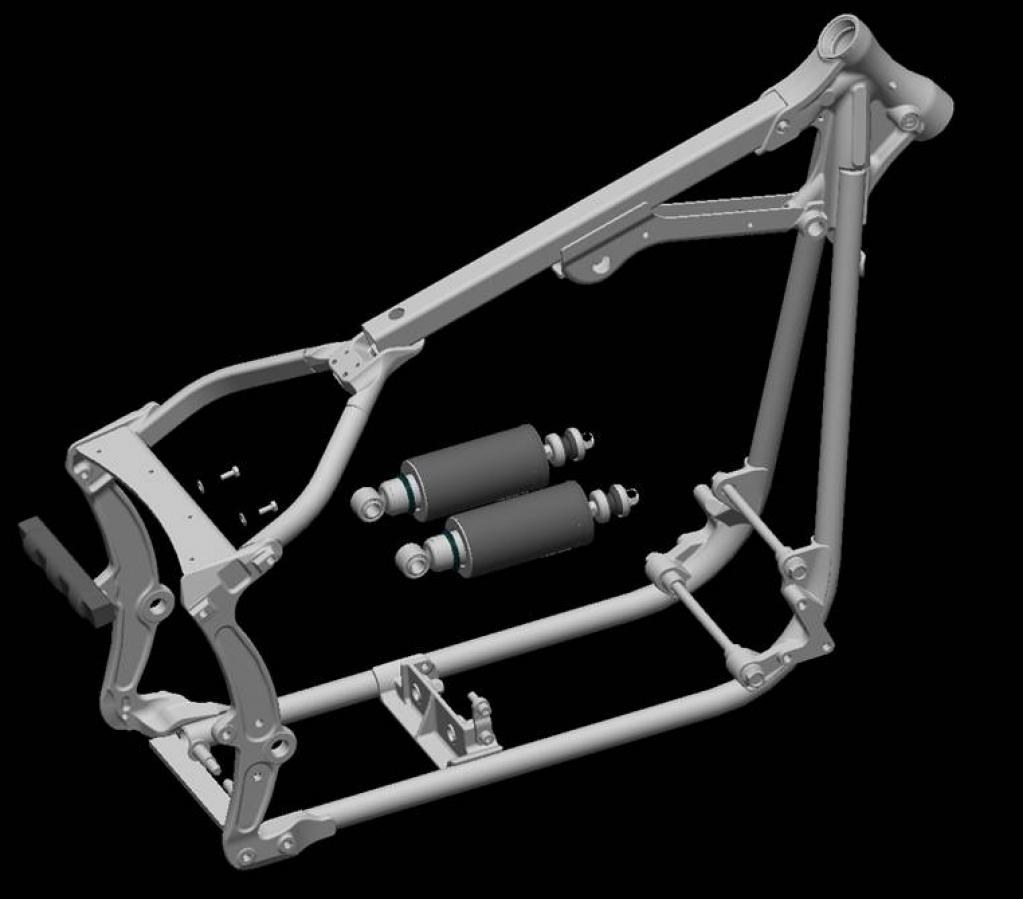
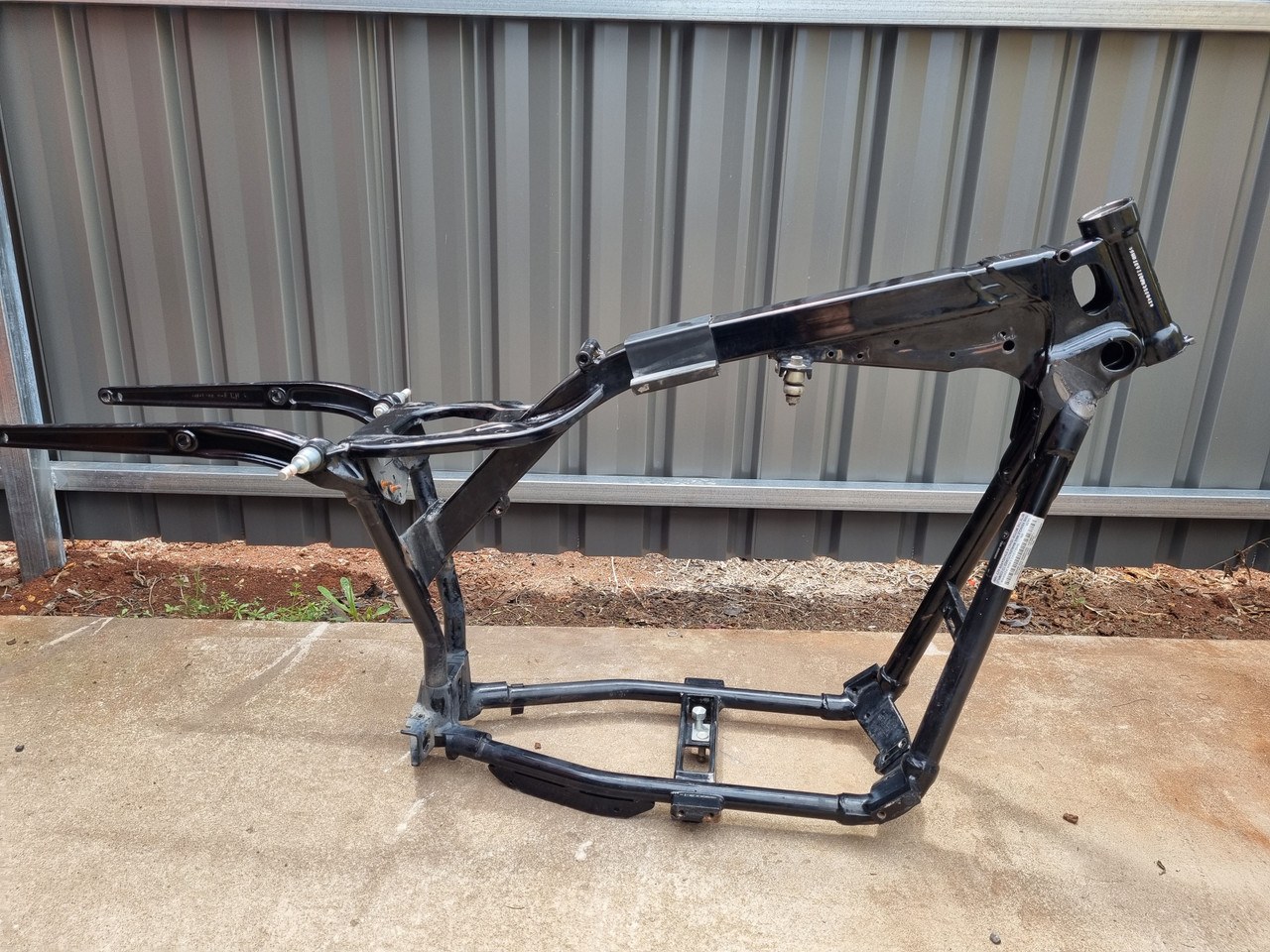
Left: the original Softail layout, with two horizontal shocks beneath the frame. Right: a bare Dyna main frame from a parts listing, without its swingarm or rear shocks.
05When a Frame Becomes Part of a Culture
The Softail’s lines gave Harley a natural way to connect new motorcycles with its past.
The Heritage Softail used full fenders, wire-spoke wheels, and details recalling earlier machines. The Springer Softail brought a springer front end back to a factory motorcycle, while the Fat Boy established a muscular presence through its wheels and substantial components.
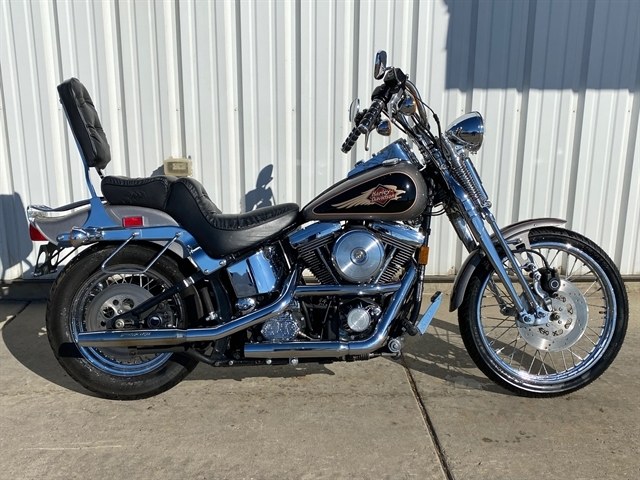
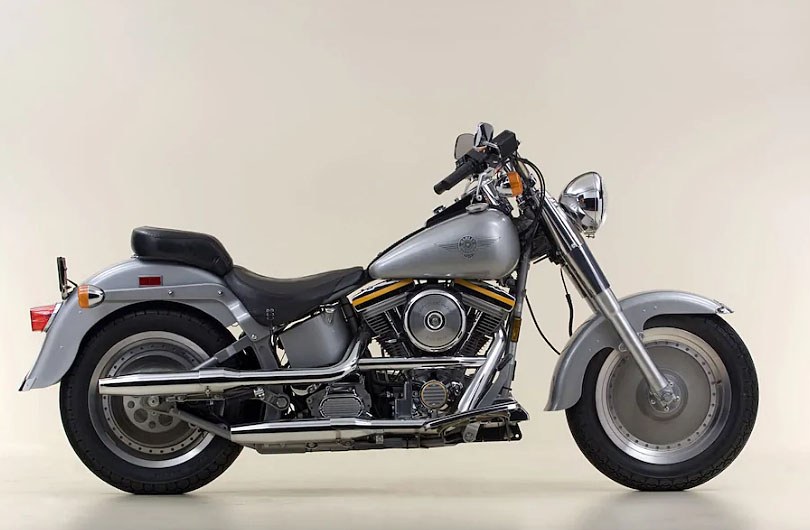
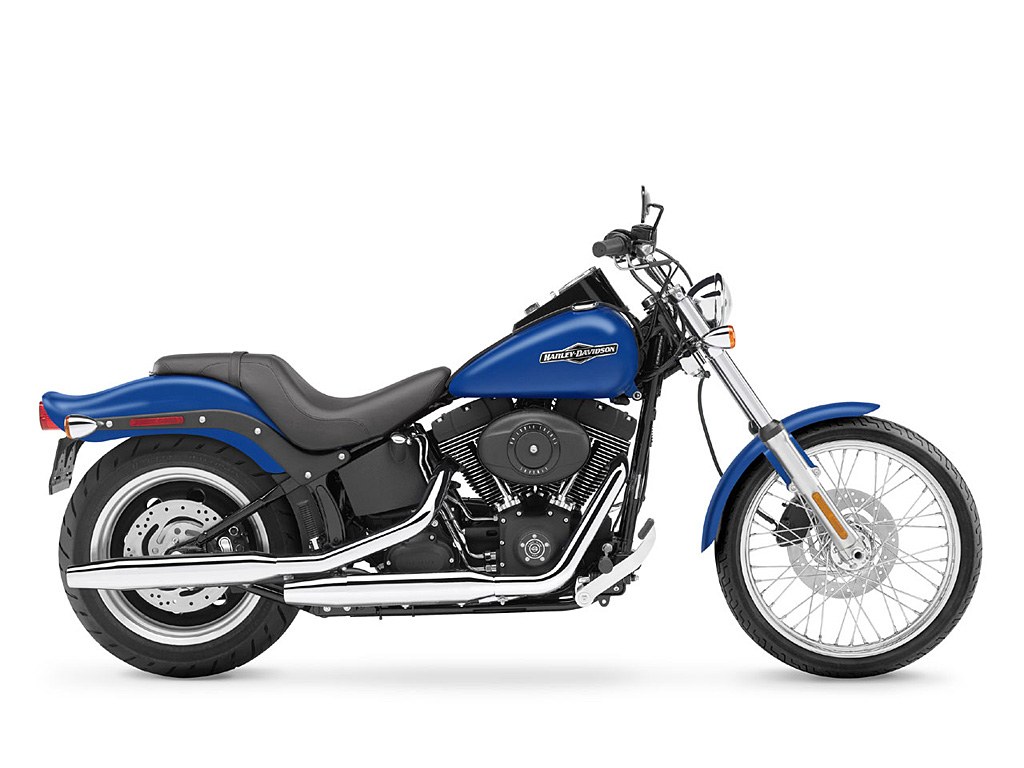
Yet Softails were never limited to chrome and nostalgia. The Night Train showed how the same basic frame concept could take on a darker, simpler, rawer character when the details around it changed.
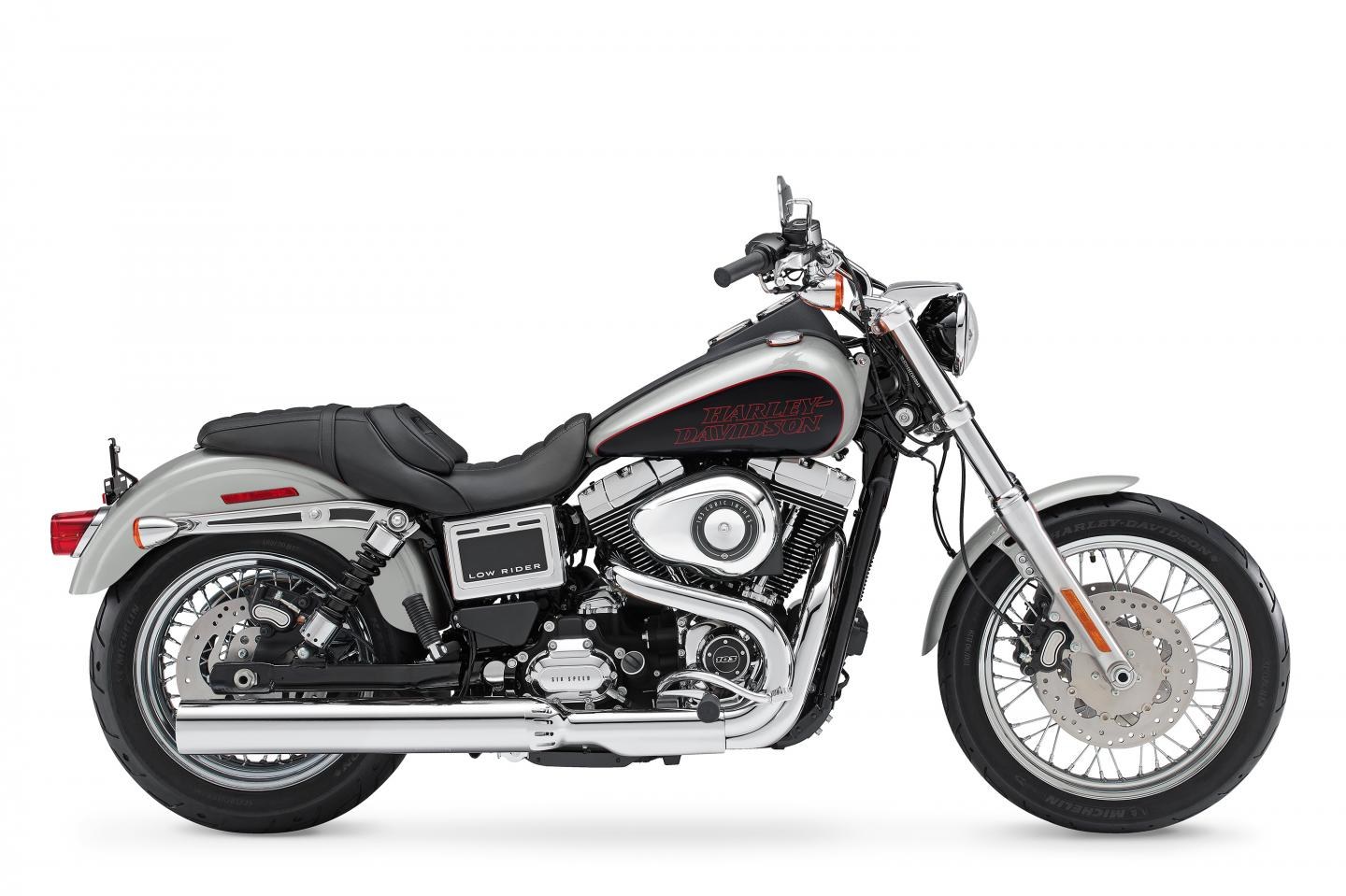
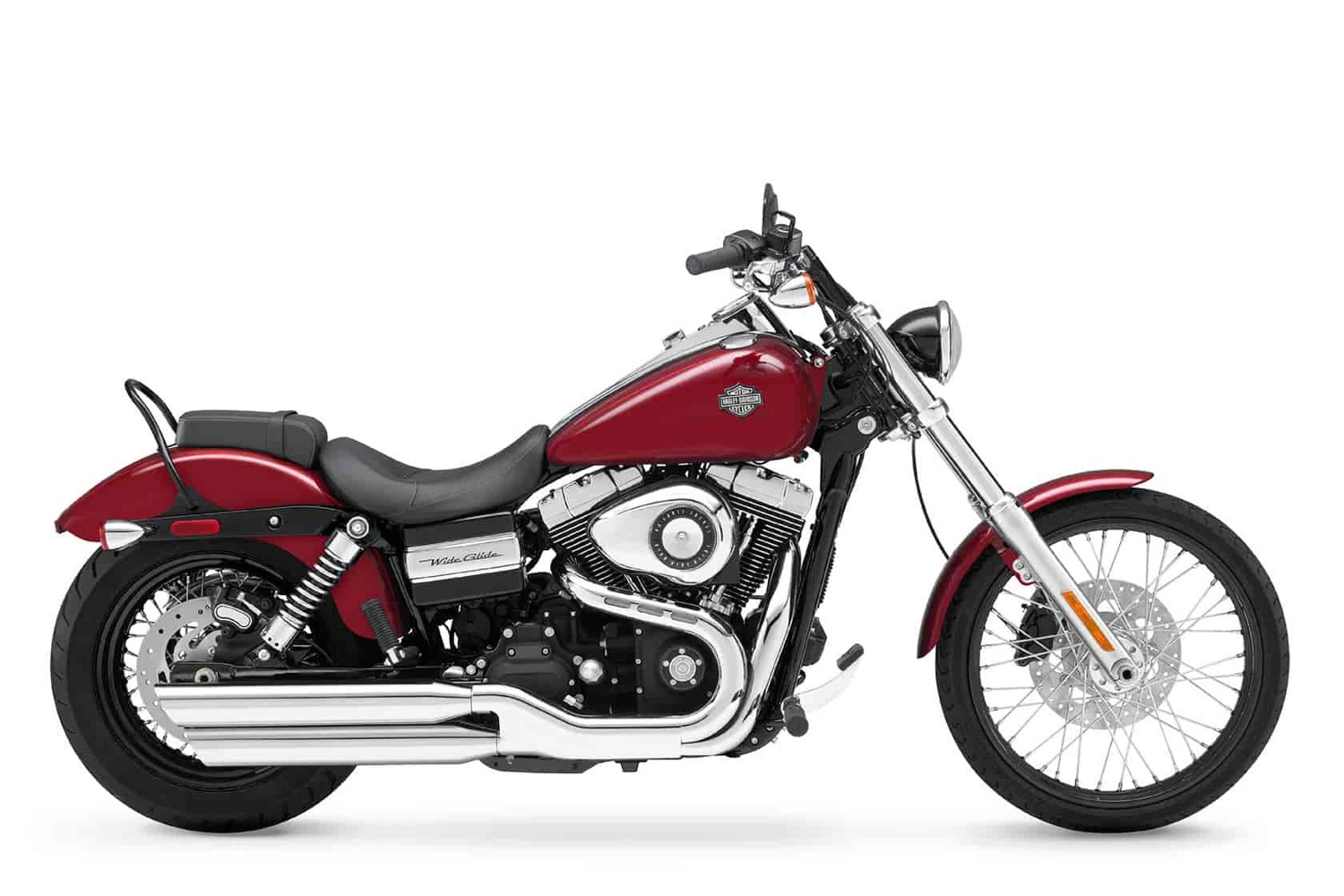
The Dyna family was equally varied. The Super Glide offered a clean starting point, while the Low Rider, Wide Glide, and Street Bob each established their own image—from low stances and drag bars to wide triple trees and ape-hanger handlebars.
Over time, the Dyna also became an important foundation for Club Style builds: T-bars, compact fairings, seats with a raised rear section to support the rider, and suspension modified to suit the way the bike is ridden.
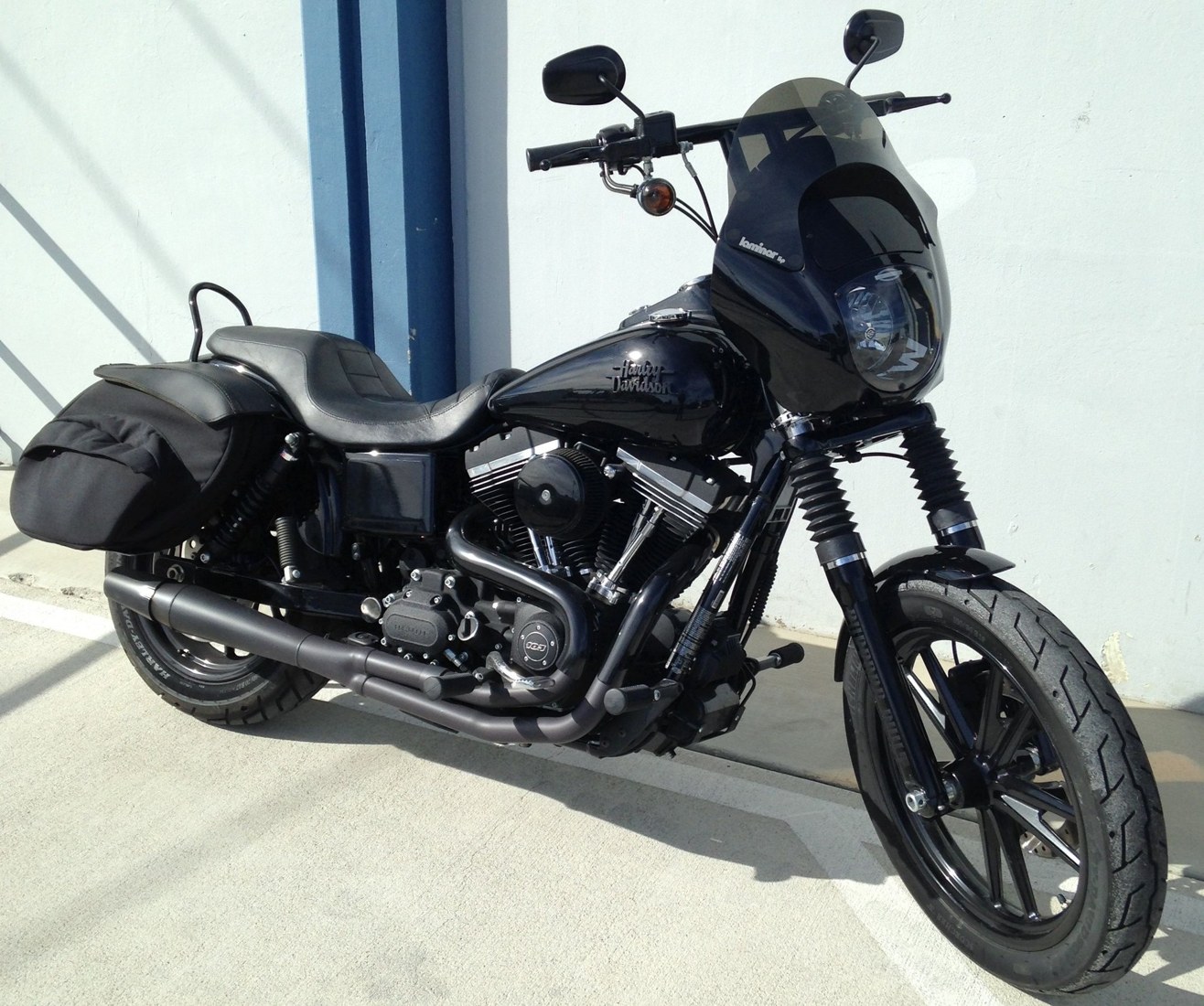
This approach grew through real-world use, custom shops, aftermarket manufacturers, and communities of riders sharing ideas. Motorcycles built on the same platform acquired details that people within the culture could recognize and understand.
The two groups have never been completely separate. A Softail owner may enjoy a brisk pace and take suspension setup seriously. A Dyna owner may prefer a lowered bike and relaxed cruising. The family provides the starting point; the person living with the motorcycle shapes its final character.
062018: Familiar Names, Different Foundations
Dyna production ended after model year 2017. When the 2018 motorcycles arrived, familiar names such as Street Bob, Low Rider, and Fat Bob appeared in the new Softail family. Harley-Davidson USA ↗
This distinction matters because the new Softail did not use the same rear suspension as the old one.
The horizontal shocks beneath the frame were replaced by a single rear shock under the seat, working with a redesigned swingarm. The Milwaukee-Eight engine was mounted directly to the frame and used two internal counterbalancers. The change therefore involved the frame, suspension, and vibration control, rather than simply moving model names into a different category. St. Charles Harley-Davidson ↗
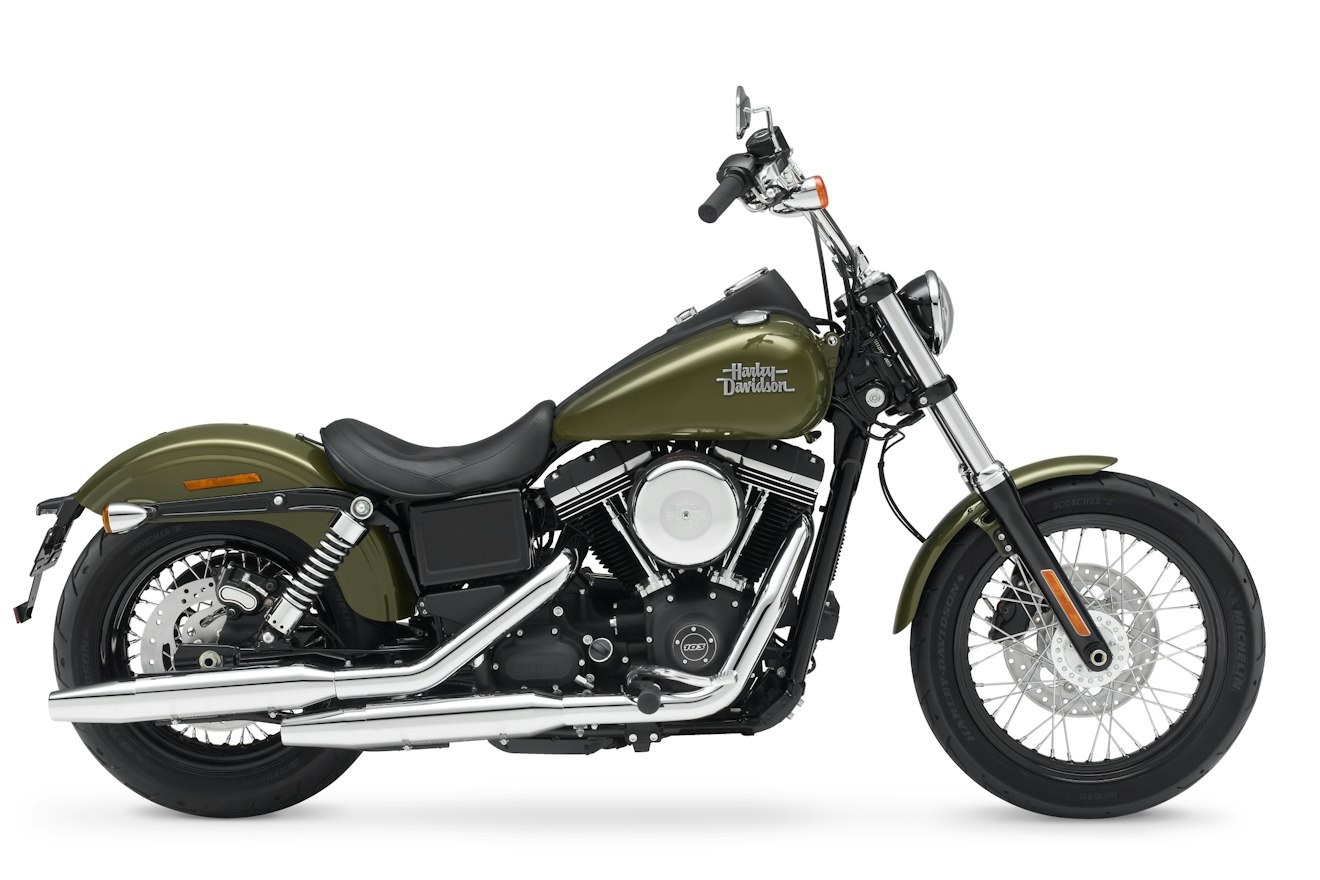
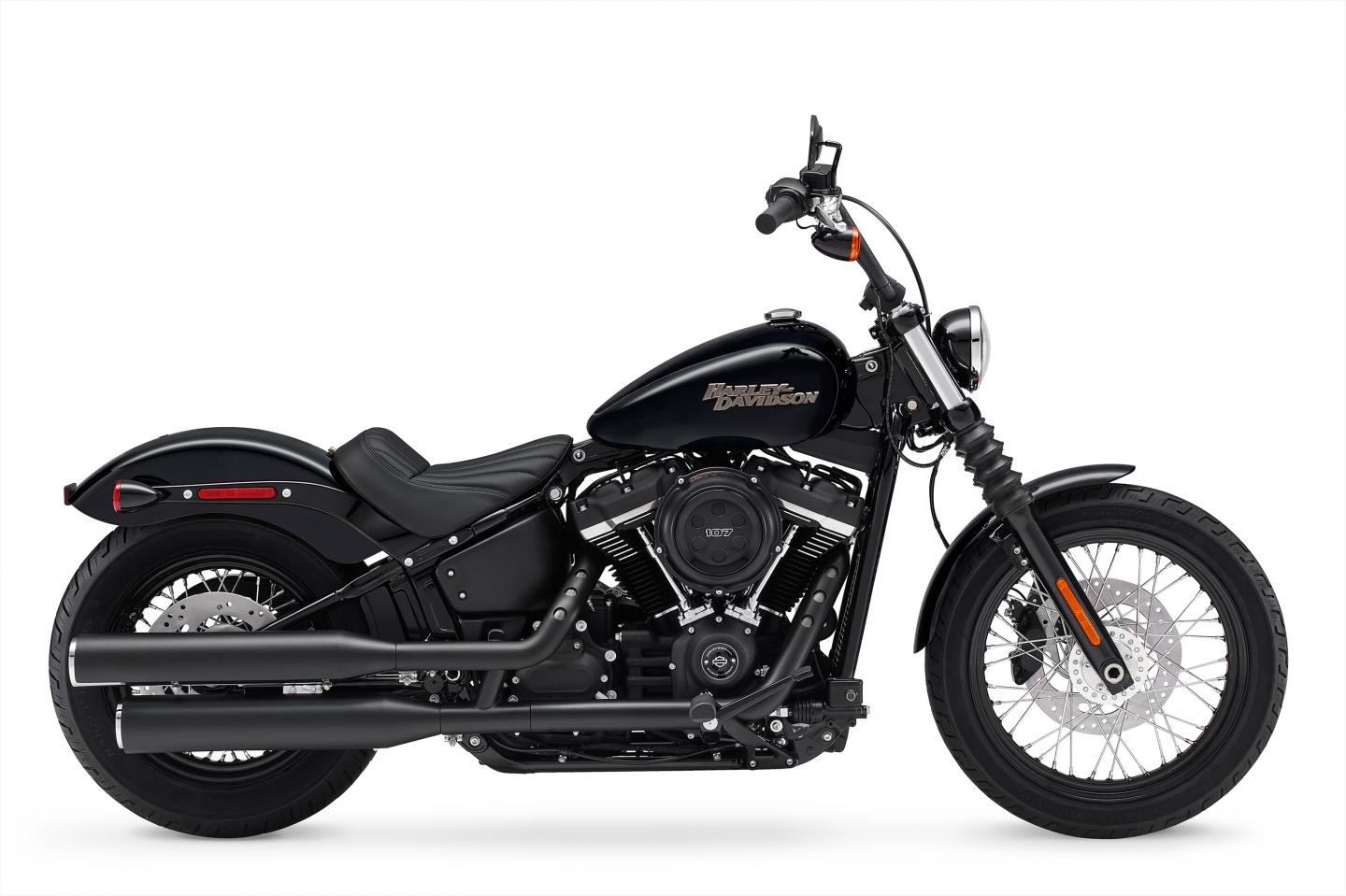
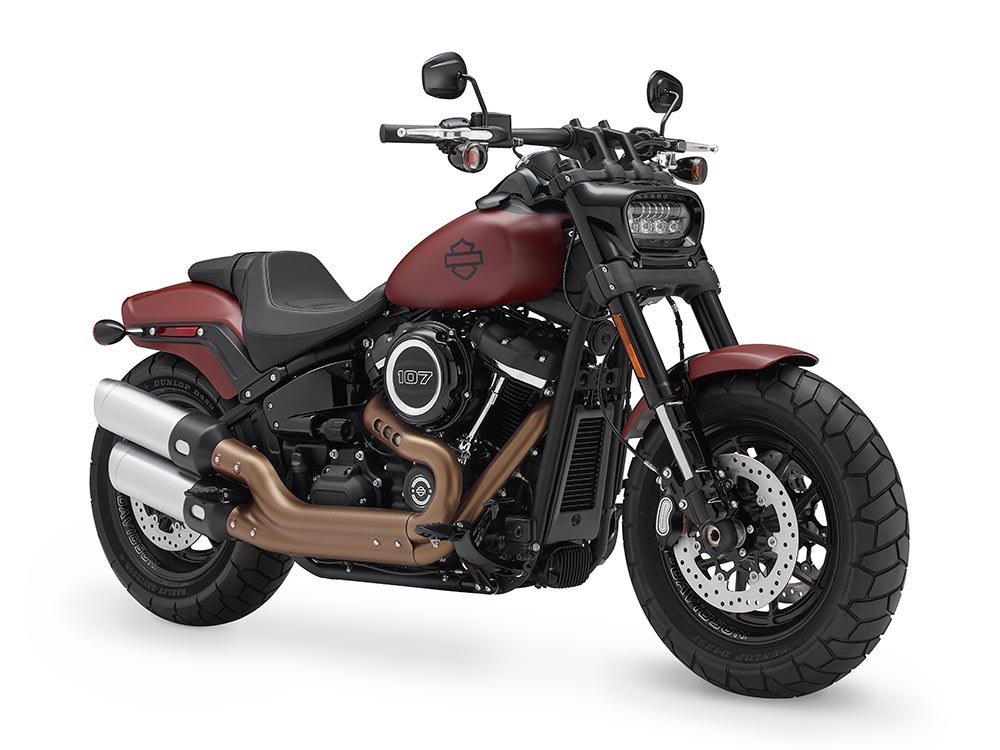
For some Dyna enthusiasts, what disappeared was more than a family name. The twin shocks, the engine moving on rubber mounts, and the familiar riding experience were all parts of the motorcycle they loved.
At the same time, the new platform introduced another group of riders to names such as Low Rider and Street Bob through a different character. Someone starting with a newer motorcycle can become attached to the same name while building an entirely different set of memories.
A model name can continue its journey even after everything beneath the tank has changed.
07Why Some Riders Keep the Same Motorcycle
As time passes, choosing between a Softail and a Dyna may no longer begin with a specification sheet.
Some people love the Softail’s frame line running toward the rear wheel, or the space around its engine. Others saw a Heritage long before they started riding Harleys and kept that image as their dream motorcycle.
Some are attached to a Dyna because it took them on their first road trip. It may be the bike whose bars, seat, and shocks they gradually changed until it suited them, or the machine that introduced them to friends they still ride with today.
The limitations of an older motorcycle remain. Engine mounts, bearings, suspension, and components with years of service still need attention. But when owners understand their motorcycles and accept those needs, familiarity can matter more than the added capabilities of a newer model.
The Softail and Dyna stories extend beyond the position of their rear shocks. They show how different approaches to building a motorcycle around similar Big Twin engines can create different kinds of attachment for the people who ride them.
And for someone who has found a motorcycle that fits, a single frame line, a familiar engine rhythm, or the feeling of opening the throttle can be reason enough to keep that same bike for decades.