
Sportster: The Small Bike That Made a Big Mark on Harley-Davidson
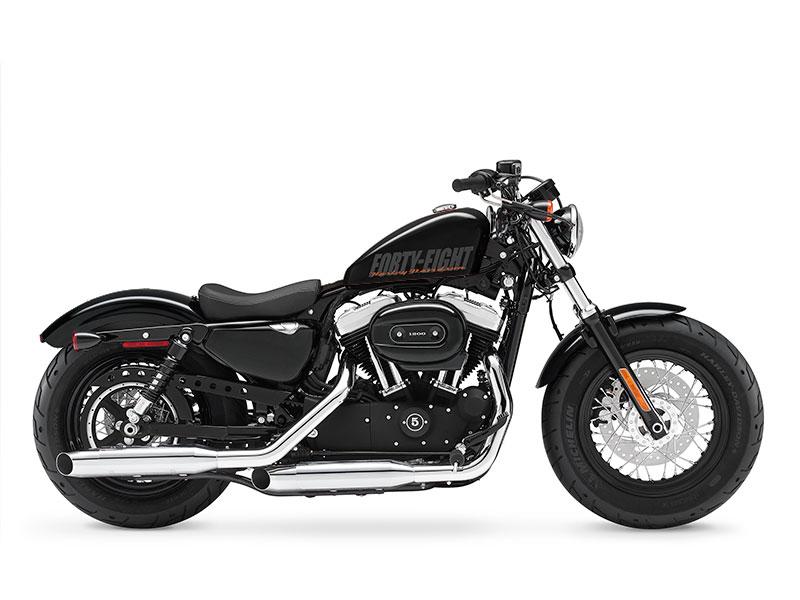
For some riders, the Sportster is their first Harley. For many others, it is the motorcycle they have ridden for years without ever wanting something bigger. And for custom builders around the world, it is a starting point for almost endless possibilities—from stripped-back bobbers to choppers, café racers, and machines that scarcely resemble the bikes that left the factory.
Calling a Sportster “small” depends on what you are comparing it with. An 883 or 1,200 cc V-twin is hardly small in the wider motorcycle world. It simply stands beside siblings such as the Softail and Touring families, whose dimensions and presence are larger still.
Looking back, the Sportster was never created merely to be an entry-level Harley. It emerged from Harley-Davidson’s need for a motorcycle with a different character. That character stayed with the name for decades, making the Sportster the brand’s longest-running motorcycle family.
01Before the Sportster: When British Bikes Changed the Game
After the Second World War, British motorcycles became an increasingly important presence in the American market. They offered agility and a sporting image that differed from the large Harleys American riders knew so well.
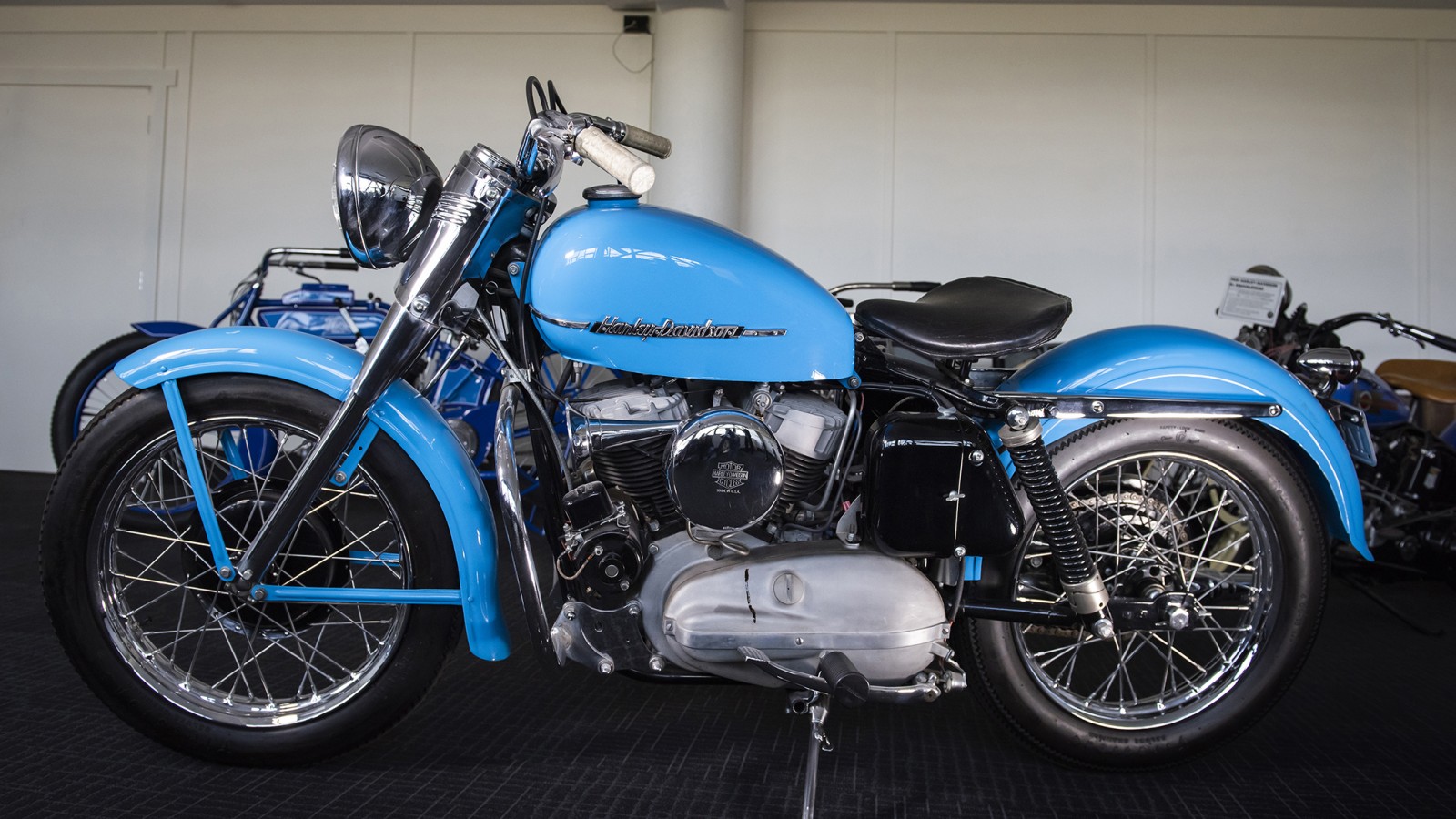
Harley-Davidson responded with the Model K in 1952, a side-valve V-twin that housed its engine and transmission in a common crankcase assembly and featured swingarm rear suspension. This layout would form the foundation of a new motorcycle family.
In 1957, the XL Sportster arrived with an overhead-valve, or OHV, engine. It gave Harley a more agile, performance-oriented motorcycle with which to challenge its British competitors.
That beginning helps explain why Sport was part of its name from the very start.
02Ironhead: Raw Character That Became Part of the Appeal
The first Sportsters used an air-cooled, 45-degree V-twin with cast-iron cylinder heads—the source of the Ironhead nickname. This engine family powered Sportsters from 1957 through 1985. Its engine and transmission shared a common crankcase assembly, unlike traditional Big Twins with their separate gearboxes.
But the engine’s shape was only part of what made the Ironhead memorable.
Its idle, mechanical sounds, and the sensations reaching the rider gave it a distinct personality. Living with an old motorcycle also requires understanding and maintenance suited to the condition of each individual machine. After decades of ownership and modification, a bike’s history matters as much as its model year.
For riders drawn to these machines, learning what their motorcycle needs becomes part of the bond between person and machine.
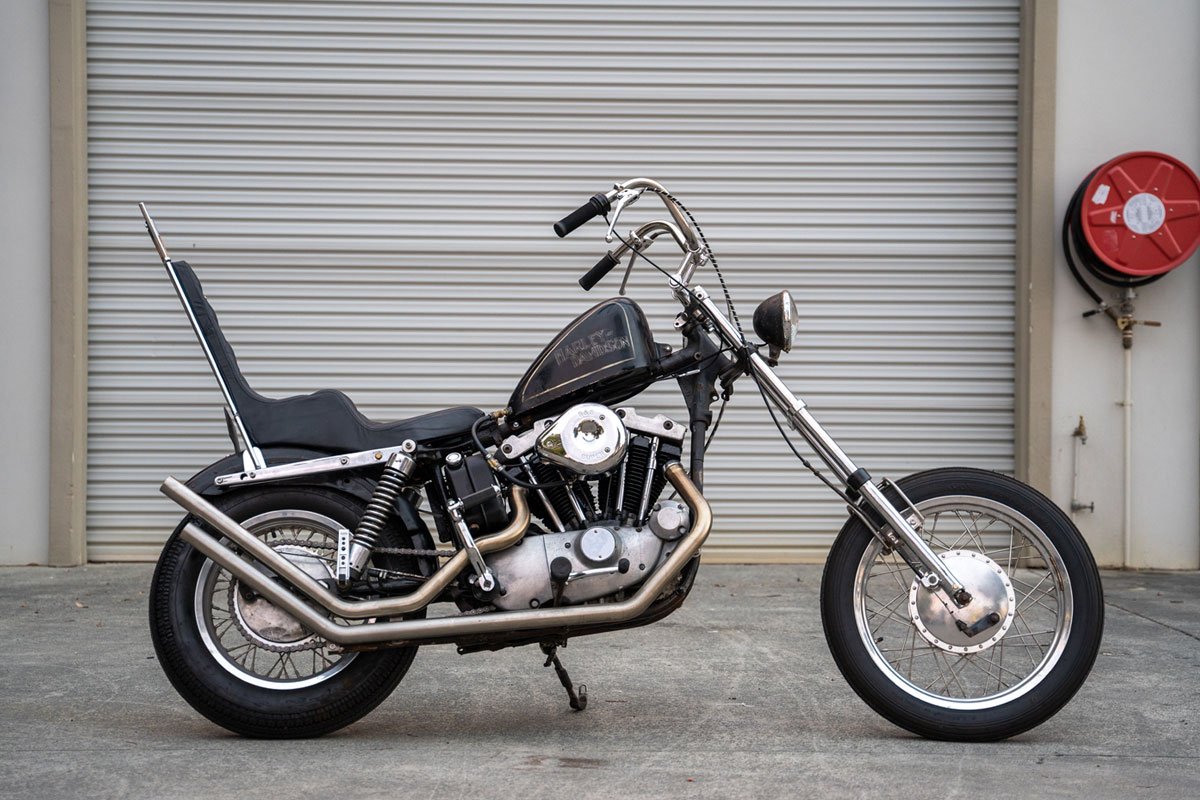
The Ironhead still has a place in custom culture, especially in builds that put the engine at the center of attention. Strip away everything around it that is not essential, and its form becomes even more striking.
03From the Street to the Dirt Track
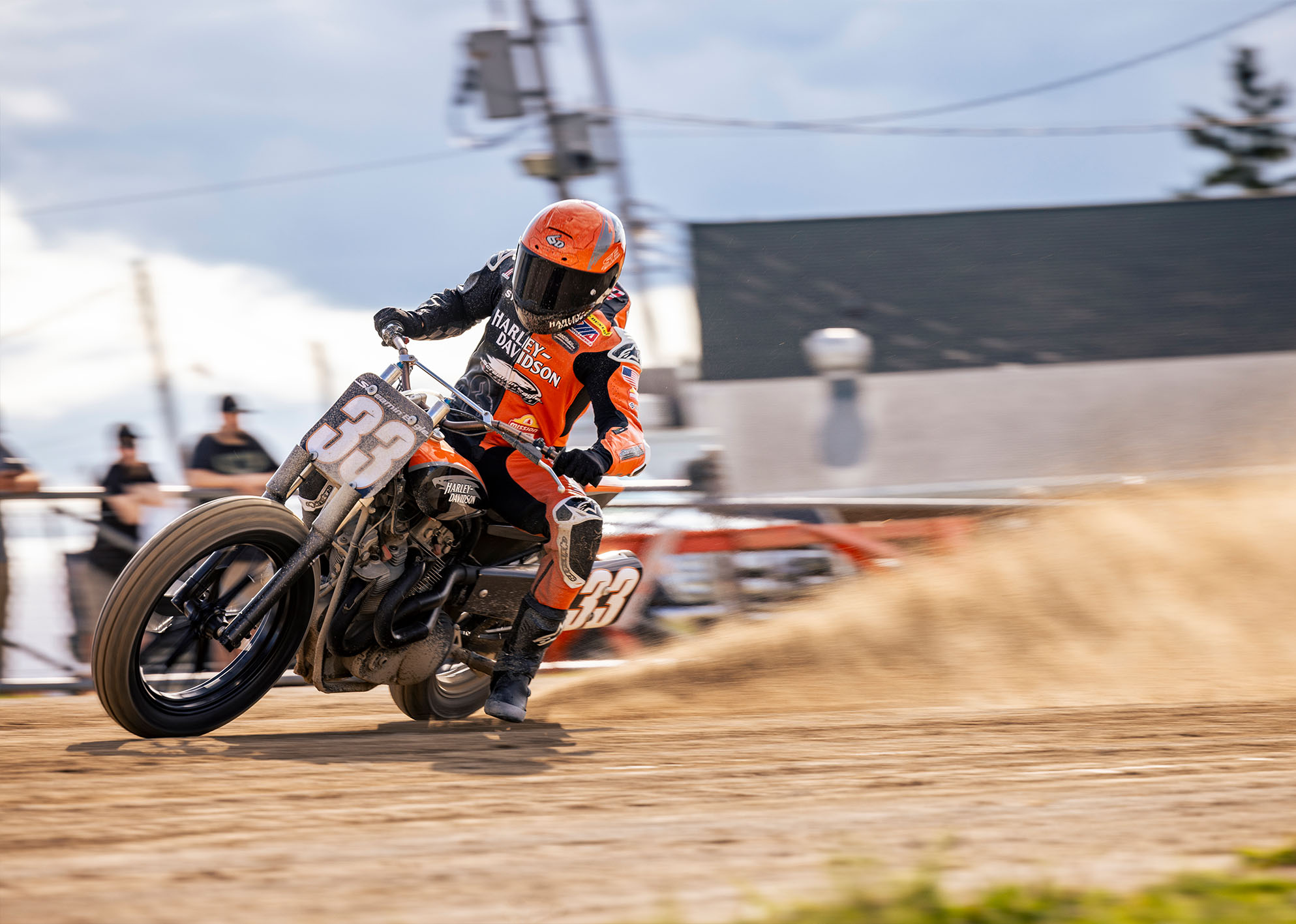
The familiar image of a low seat, small tank, and tall handlebars can make it easy to forget that the Sportster family has been connected with competition from its earliest years.
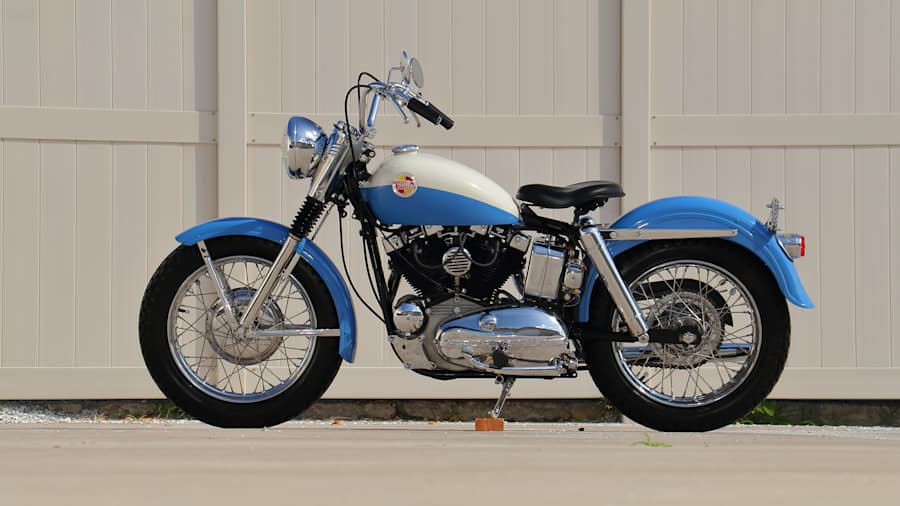
The XLCH, which followed in 1958, leaned toward sporting and off-road use. Its compact fuel tank would become one of the Sportster’s most recognizable features: the “Peanut Tank.”
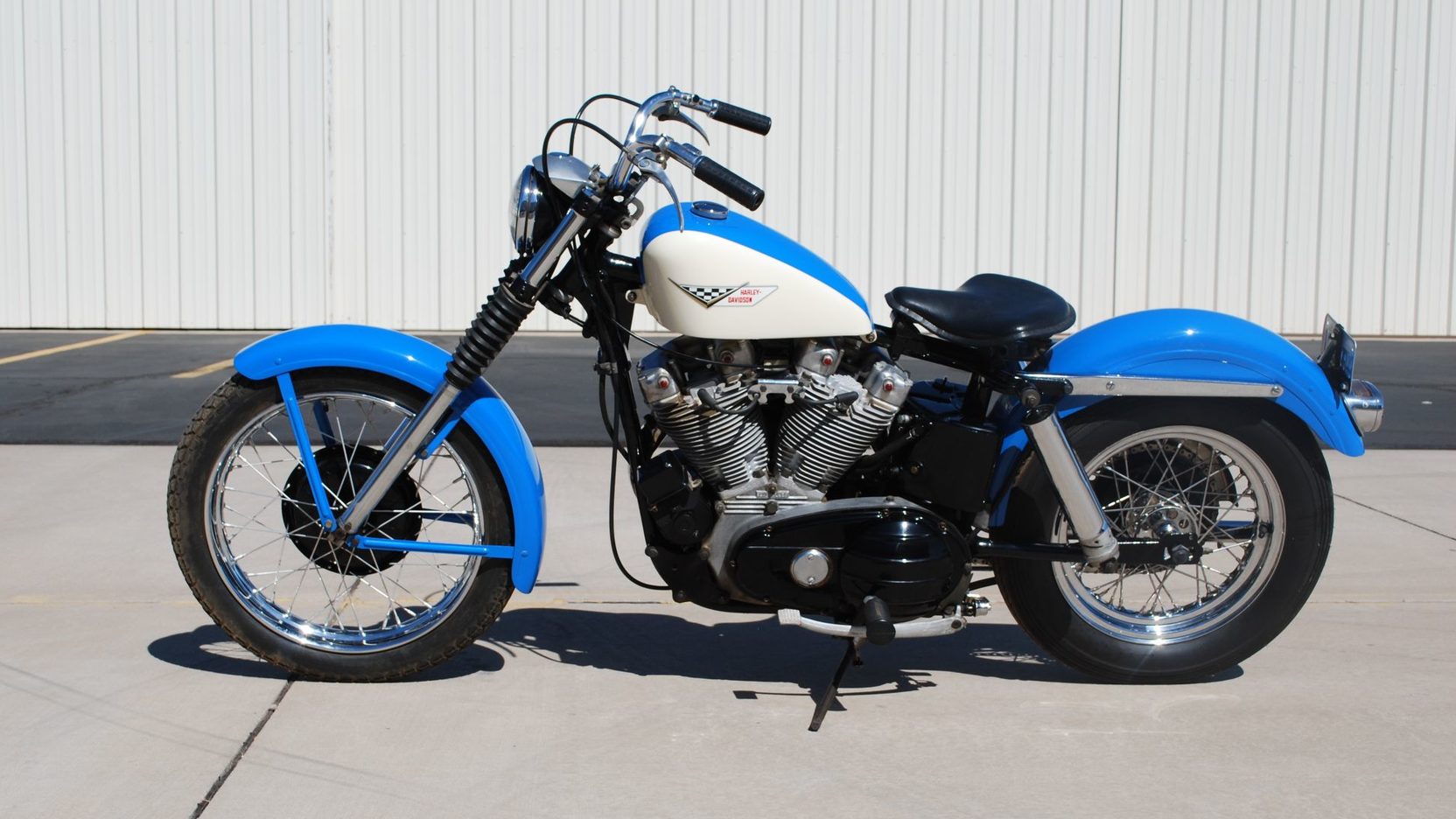
Another branch of the story is the XR-750, a purpose-built racer introduced in 1970 to replace the KR. Its engine drew on Sportster architecture before aluminum cylinder heads and barrels arrived in 1972. The XR-750 name subsequently became linked with decades of success in American flat track racing.
The XR-750 was a specialized racing motorcycle, but that connection shows how the Sportster’s history developed both on public roads and in the pursuit of speed on the track.
When someone turns a Sportster into a street tracker—raising the rear, fitting wide handlebars, and creating a riding position suited to controlling the bike—the result has real historical roots.
04Evolution: Familiar Character, Easier to Live With
1986 marked a major turning point. The Sportster adopted the Evolution engine in 883 and 1,100 cc versions, opening a new era for the family.
The engine retained the familiar small V-twin layout, air cooling, and pushrod valve gear, but switched to aluminum cylinder heads and barrels. Many riders came to know the Sportster through the Evo rather than the Ironhead. Mention a classic Sportster, and the 883 and 1200 are often the first machines that come to mind.
However, the Sportster Evolution and Big Twin Evolution are separate engine families. Sharing a name does not mean they are the same engine scaled up or down in displacement.
The Evo Sportster still conveys the mechanical feel of an earlier era. Its uncomplicated form leaves room for owners to adapt the motorcycle to their own lives. City riding, road trips, or a gradual series of modifications can all begin with the same platform.
05Changes Riders Could Feel
Air-cooled Sportsters looked familiar from one year to the next, but changes beneath the surface could make the riding experience quite different.
A key milestone was 2004, when the Sportster gained rubber engine mounts to reduce vibration reaching the rider. Earlier motorcycles mounted the engine directly to the frame, giving them a rawer, more vibratory feel. The later machines offered greater comfort during sustained riding.
That distinction matters when buying or modifying a motorcycle. Riders who enjoy the direct feel of engine vibration may favor an earlier bike, while those who travel frequently may place more value on comfort.
No single Sportster era suits everyone. Choosing one begins with understanding how you want to live with it.
06Why Custom Builders Love the Sportster
One reason is its proportions.
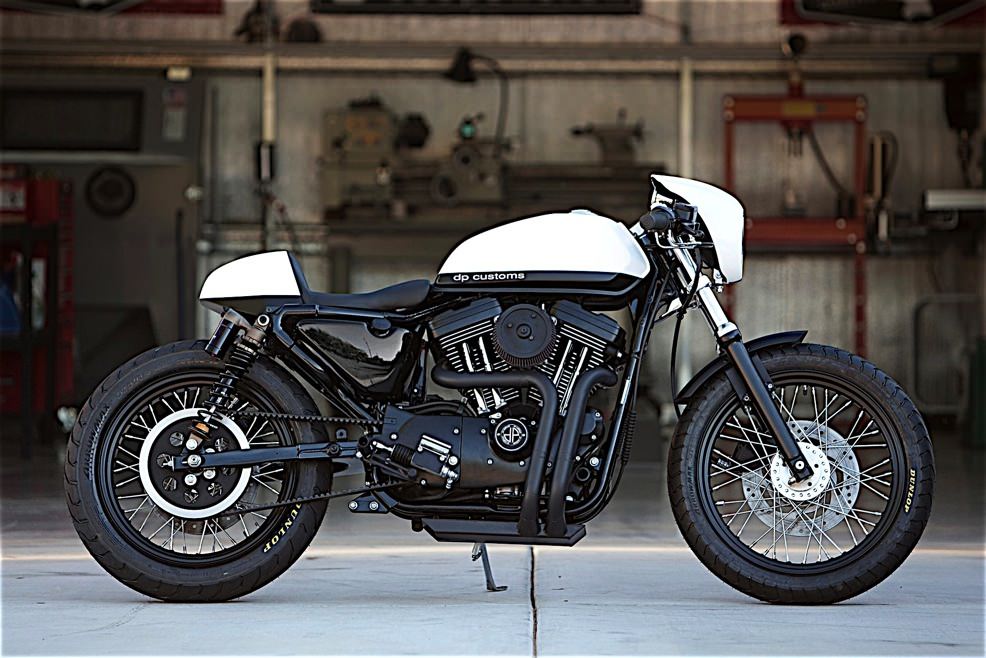
The V-twin sits prominently at the center of the frame. The tank, seat, and fenders have clear, uncomplicated lines. Changing only a few components can transform the motorcycle’s overall appearance. Long production runs and extensive aftermarket support have also given builders around the world a platform they can interpret in many different ways.
A bobber uses simplicity to bring the engine and chassis into focus. A solo seat and closely trimmed fenders can change the character without adding much visual detail.
A chopper opens up possibilities in line and proportion, from the tank, handlebars, and front end to an entirely new frame.
A café racer shifts the rider’s position and the bike’s visual stance forward, while a street tracker brings the image of the dirt oval back onto the road.
This variety means the Sportster has never been tied to a single look. Its role in custom culture has developed alongside the family’s history for decades.
Two motorcycles that left the factory as the same model can feel like entirely different machines after passing through the hands of different owners.
07A First Bike That Does Not Need a Successor
The Sportster is often described as an entry-level Harley. That description can imply that, after riding one for a while, the next step must be a larger motorcycle.
But a relationship with a motorcycle does not always follow a ladder.
Some people choose a Sportster for its proportions. Others love its sound and engine rhythm. Some want a bike they can roll out of the garage and ride often. Others spend years gradually making it suit them.
Of course, some Sportsters have limitations in seating space, suspension travel, or fuel capacity. And “small” does not necessarily mean light or easy to handle for every rider.
When the motorcycle fits the way it is used, however, its more compact dimensions than a Big Twin and the close connection it gives the rider can be reason enough to keep it.
For these owners, the Sportster is the motorcycle they have chosen, rather than one they are waiting to replace.
08Revolution Max: A New Chapter for a Familiar Name
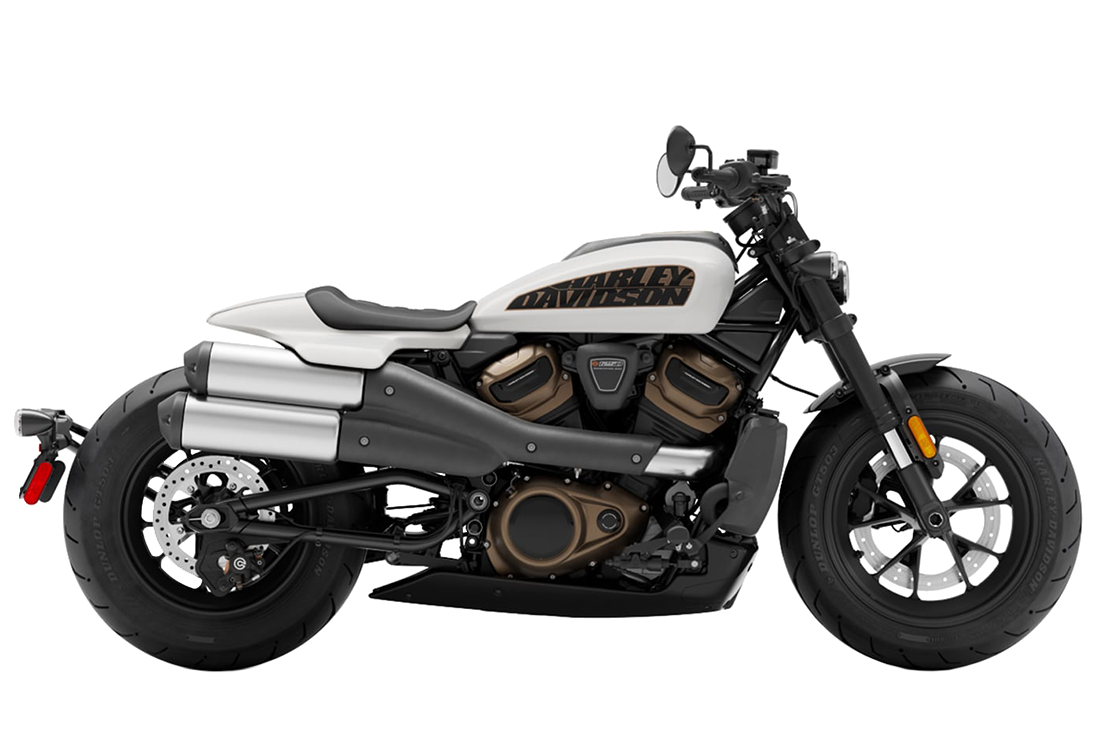
In 2021, Harley-Davidson introduced the Sportster S with the liquid-cooled Revolution Max 1250T engine. The Nightster, powered by the Revolution Max 975T, followed in 2022. Together they marked a major change from the air-cooled Sportsters riders had known for so long.
The Sportster S engine uses modern technology, including variable valve timing, and delivers performance with a distinctly different character from the earlier pushrod engines.
It is understandable that Sportster enthusiasts respond differently to this new generation. Riders attached to the shape and rhythm of the older engines may still choose an Evo or Ironhead. Those seeking newer performance and technology have their own reasons to explore the family’s next chapter.
Looking back to 1957, responding to a changing world was part of the Sportster story from the beginning.
09The Big Story of a Small Motorcycle
The Sportster’s value lies less in doing everything best than in giving so many people a motorcycle around which to build their own stories.
It might be a stock bike ridden every day, an Ironhead patiently brought back to life, a chopper built in a small garage, or a custom machine shaped by so much experimentation that its starting point is barely recognizable.
Over the decades, the Sportster has given riders and builders a role in defining its character. A model name gradually became a culture with more faces than the factory ever produced.
And perhaps that is the biggest thing this small Harley family has achieved: it has made owners feel that a motorcycle can belong to them in a way that goes far beyond the name on its registration.